- Small cone sewing thread purchases should be driven by end-use, not just price per cone.
- Polyester thread is the default choice for most apparel, repair, and wholesale sewing applications because of its balance of strength, abrasion resistance, and color stability.
- International sourcing works best when buyers request measurable data: ticket size, tex count, cone weight, package quantity, and test method references.
- For wholesale orders, MOQ, lead time, color matching, and carton configuration are often more important than a small unit-price difference.
- A reliable sewing thread supplier should support samples, label clarity, and consistent packing for export and B2B resale.
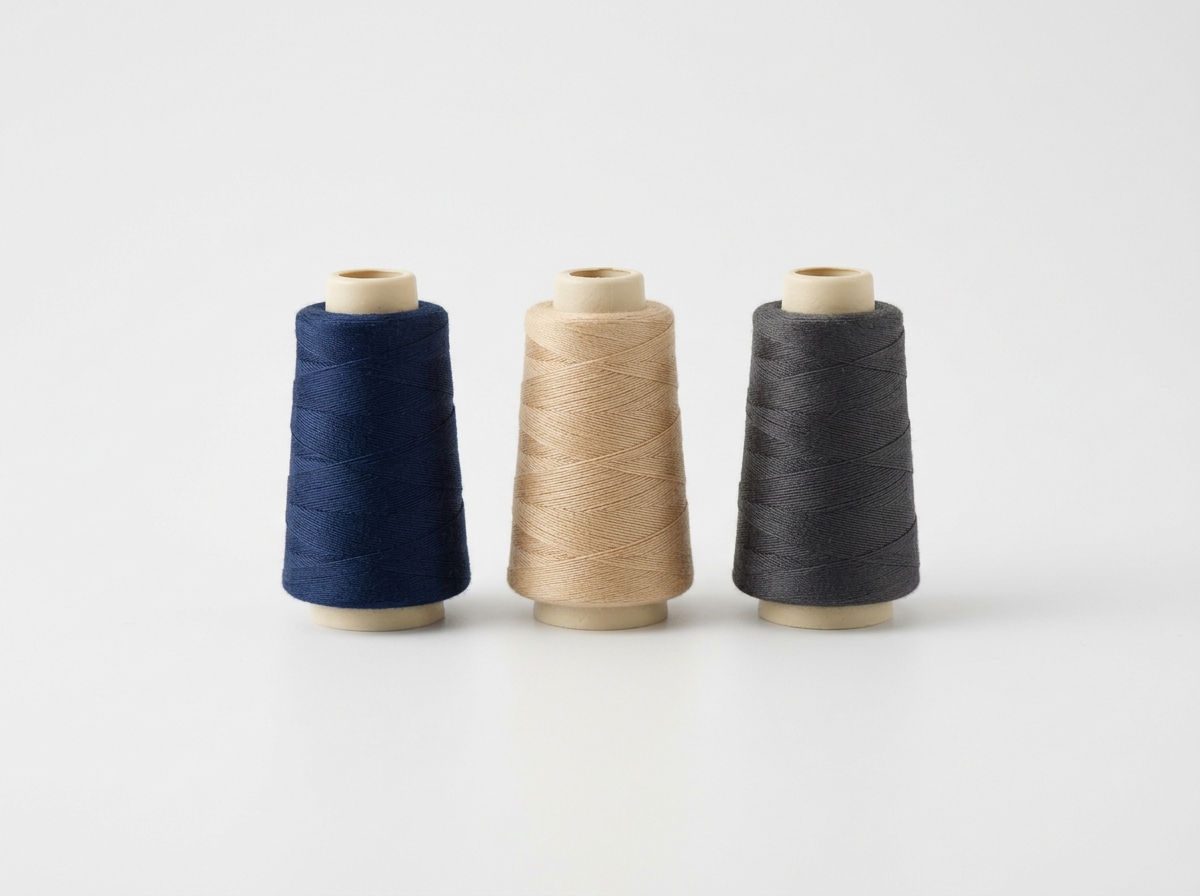
Small cone sewing thread is a practical wholesale item because it sits at the intersection of garment production, home sewing, and repair work, and polyester thread remains the most widely used general-purpose option for these use cases. For quality control, buyers often anchor their checks to measurable textile standards, including yarn tensile testing under ASTM D2256/D2256M and fiber composition methods under ISO 1833-1:2019. On the sourcing side, a common B2B mistake is treating all small cone products as interchangeable; in reality, cone size, ply, lubrication, and colorfastness can affect stitch formation, machine downtime, and end-customer complaints. For buyers who source through a directory structure, the most useful starting points are sewing thread, sewing accessories, and DIY tools, because they align with how international wholesalers typically bundle consumables.
How to Source Small Cone Sewing Thread Internationally Without Costly Mistakes
The best sourcing strategy for small cone sewing thread is to compare technical suitability before comparing supplier price.
International buyers often focus on a quote sheet first, but the safer sequence is: confirm application, confirm thread construction, confirm packaging, then negotiate commercial terms. Polyester sewing thread is usually chosen for apparel, uniforms, repairs, and DIY kits because it handles broad use conditions, but the exact construction still matters. A 100% polyester filament thread behaves differently from a spun polyester thread, and a bonded construction behaves differently again. For a sewing thread supplier, the ability to explain those differences is a strong sign of process control rather than just trading ability.
Small cone formats are especially useful in wholesale because they reduce waste in sample rooms, tailor shops, and retail-facing kits. They also help buyers test multiple colors without committing to large industrial cones. If your business serves dress makers or wedding accessory producers, the small cone format is often the most flexible SKU for assortment building.
| Buying Factor | Why It Matters | Typical Request | Commercial Impact |
|---|---|---|---|
| Fiber content | Strength and appearance vary by fiber | 100% polyester, cotton, or core-spun | Lower return risk |
| Cone size | Impacts handling and resale format | Small cone, sample cone, bulk cone | Better carton efficiency |
| Ticket or tex | Matches thread to fabric weight | Tex 27, Tex 40, Tex 60 | Fewer stitch defects |
| Color control | Critical for apparel and wedding orders | Lab dip or shade card | Less shade variation |
From a procurement perspective, the question is not only “what is the cheapest cone?” but “what cone format will create the fewest hidden costs across sewing, packing, and complaints?” That is why experienced importers request cartons, cone count, gross weight, and color range before placing an order.
Why Polyester Thread Dominates Wholesale Sewing Thread Sourcing
Polyester thread is the default commercial choice because it balances durability, process stability, and broad fabric compatibility.
In apparel manufacturing, polyester sewing thread is often selected for its abrasion resistance, relatively low moisture absorption, and consistent performance across different machine speeds. The exact benefit depends on the end-use, but the logic is simple: when a thread breaks less often, operators spend less time rethreading and fewer finished goods are rejected. For a dress factory, that can matter as much as the unit price difference. For a DIY retailer, consistent feeding and clean appearance matter even more because end customers judge the product visually and immediately.
Polyester is also a strong fit for international wholesale because it is easy to specify. Buyers can ask for tex count, cone weight, dye lot control, and packaging format without needing highly specialized language. That makes it ideal for cross-border sourcing, where misunderstandings about finish, twist, or spool size can slow down production.
| Thread Type | Main Strength | Main Limitation | Best Fit |
|---|---|---|---|
| Polyester thread | Good balance of strength and abrasion resistance | Less natural hand feel than cotton | Apparel, repair, wholesale kits |
| Cotton thread | Natural look and sewability on certain fabrics | Lower stretch and moisture resilience | Traditional garments, quilting |
| Core-spun thread | Combines strength and surface comfort | Usually higher cost | Denim, workwear, premium apparel |
| Bonded thread | Improved surface integrity for demanding seams | Can be less versatile in casual sewing | Heavy-duty stitching, technical use |
If you are buying for a mixed catalog, polyester thread usually gives the best ratio of flexibility to inventory risk. That is one reason it appears so often in wholesale sewing thread collections and export catalogs.
How to Evaluate a Sewing Thread Supplier for Export Orders
A reliable sewing thread supplier should prove consistency, not just availability.
International procurement becomes safer when the supplier can document how they control quality. Ask for the technical sheet, packaging list, and sample policy first. Then compare how they answer practical questions: Can they hold shade consistency across repeat orders? Can they supply the same cone format after reorder? Can they label cartons clearly for customs and warehouse intake? These questions matter because a small cone order often serves multiple downstream needs, such as sample development, retail bundling, or emergency replenishment.
For importers, the supplier’s communication style is often as important as the nominal specification. A good supplier will distinguish between production tolerance and absolute guarantee, and will not overclaim. That is especially important in textile sourcing, where shade, twist, and winding tension affect user experience even when the base fiber is identical.
- Request a data sheet with fiber content, tex count, cone weight, and packaging quantity.
- Ask for sample cones in the exact color and count mix you plan to buy.
- Confirm lead time for repeat orders, not only first production.
- Check carton dimensions and gross weight for shipping efficiency.
- Verify whether the supplier can keep the same shade range across seasons.
For many buyers, the practical value of a sewing thread supplier is measured by reorder stability. If the second shipment matches the first shipment in color and winding quality, the supplier is easier to scale.
Small Cone Sewing Thread Specifications That Matter Most
Thread specifications matter because they determine whether the product will sew smoothly in the real world.
When sourcing small cone sewing thread, the most useful numbers are tex count, ply count, cone weight, and tensile performance. In textile testing, ASTM D2256/D2256M is widely used for tensile properties of yarns by the single-strand method, while ISO 1833-1:2019 supports fiber composition analysis. These references are valuable because they help buyers talk about quality in measurable terms instead of vague descriptions like “good quality” or “strong thread.”
For garment sewing, smaller thread sizes are often used for finer seams, while heavier sizes suit stronger seams or thicker fabric assemblies. Buyers should align the thread with the fabric and stitch type rather than buying one universal SKU for every job. That is particularly true for wedding dresses and decorative garments, where appearance and seam invisibility can matter as much as raw strength.
| Specification | What It Tells You | Why Buyers Care | Typical Procurement Question |
|---|---|---|---|
| Tex count | Linear mass | Helps match thread to fabric | Which tex for light woven fabric? |
| Ply count | How many yarns are twisted together | Impacts strength and hand feel | Is it 2-ply or 3-ply? |
| Cone weight | How much thread is on each cone | Affects cost and resale format | How many grams per cone? |
| Dye lot | Batch color identity | Controls shade matching | Can repeat orders match the same lot? |
For sourcing teams, these numbers reduce ambiguity. The more clearly the spec is written, the easier it is to compare suppliers across countries and production cycles.
Wholesale Buying Factors: MOQ, Sampling, Packaging, and Lead Time
Wholesale thread buying is won or lost on operational details, not just unit price.
MOQ determines how much inventory risk you carry, sampling determines how quickly you can test the product, packaging determines warehouse efficiency, and lead time determines whether you can respond to demand spikes. Buyers of small cone sewing thread should confirm these four items before discussing final pricing. This is especially important for export buyers who sell into wedding, DIY, or garment-repair channels, because demand can be seasonal and color-sensitive.
A practical negotiation method is to ask for a sample mix first, then place a test order that reflects your real sales mix. If your customers buy mostly neutral colors, do not over-commit to fashion shades. If your business focuses on dressmaking, include black, white, navy, and skin-tone options in the initial lot.
- Confirm MOQ by color, not only by total order value.
- Ask whether samples are charged, refundable, or free with freight collect.
- Verify carton count and cone packing for retail or warehouse handling.
- Check whether the supplier can combine thread with other sewing accessories.
- Build a reorder schedule that matches your sales velocity, not your ideal inventory level.
In wholesale sourcing, the best deal is usually the one that arrives on time, matches the sample, and can be reordered without requalification.
 Where Small Cone Thread Fits in Wedding, Fashion, and DIY Demand
Small cone sewing thread sells best when it is tied to a specific use case.
For wedding applications, buyers often need thread for hemming, alterations, delicate seams, and emergency fixes. For fashion and women’s wear, the thread must support a cleaner finish and consistent shade matching. For DIY, the priorities shift toward ease of use, small packaging, and assortment variety. These three channels are different, but all three benefit from a polyester sewing thread base because it is versatile and easy to stock.
That is why a category-driven catalog often performs better than a single-product page. A buyer looking for wedding supplies may also need lace, ribbon, and thread in one shipment. A DIY seller may pair thread with scissors or a sewing kit. A fashion buyer may combine thread with hidden zippers and decorative trims. For that reason, cross-linking to ribbon and lace can help buyers build a complete sourcing basket instead of a single-item order.
In practice, the most successful sellers frame thread as a support SKU for larger applications, not as an isolated commodity.
Quality Checks for Imported Sewing Thread
Incoming inspection should focus on appearance, running behavior, and consistency.
When buyers receive small cone sewing thread, they should check the cone winding, color matching, labeling, and thread body uniformity first. If the cones are unevenly wound, they can feed poorly. If the labels are unclear, warehouse handling becomes messy. If the color batch is inconsistent, garment production may stop or require rework. These are simple checks, but they prevent expensive downstream problems.
A practical quality routine is to pull samples from different cartons, compare shade under consistent lighting, and run a machine test on the same fabric used by your customer base. For apparel, the stitch should be visually clean and mechanically stable. For repair kits, the thread should be easy for end users to handle without excessive lint or snarling.
- Inspect carton labels and lot numbers.
- Measure cone count against the packing list.
- Check winding tightness and edge uniformity.
- Compare shade against approved samples.
- Run a short sewing trial on target fabric.
If the thread passes these five steps, it is usually ready for wholesale distribution or production use.
How to Compare Suppliers Across Countries
Comparing suppliers fairly requires a common scorecard.
The most efficient way to compare international sewing thread suppliers is to score each one on specification clarity, sampling speed, packaging quality, price transparency, and reorder reliability. Price alone is not enough because a lower quote can hide weaker color control, less stable packing, or slower repeat production. Those hidden costs matter more in export sourcing than in domestic spot buying.
| Supplier Criterion | Strong Signal | Weak Signal | Suggested Weight |
|---|---|---|---|
| Spec clarity | Full tech sheet and carton data | Only marketing language | 25% |
| Sampling | Exact color and cone sample available | Generic sample only | 20% |
| Packaging | Clear labels and export cartons | Loose or inconsistent packing | 20% |
| Lead time | Repeat orders supported quickly | Long unexplained delays | 20% |
| Communication | Direct, specific, documented replies | Vague promises | 15% |
This scorecard works because it translates a subjective supplier search into an operational decision. That is especially helpful when your buying team must choose between multiple markets, multiple factories, or multiple price tiers.
Practical Import Checklist for Small Cone Sewing Thread
A short checklist keeps sourcing disciplined and repeatable.
Before placing an order, confirm the thread material, cone weight, color range, test method, MOQ, packaging, and lead time. If possible, keep a record of the approved sample and the exact carton configuration. That way, your next purchase can be compared directly against a known baseline.
- Material: confirm polyester, cotton, or blended construction.
- Size: confirm tex, ticket, or denier equivalent.
- Packaging: confirm cone count per carton.
- Color: confirm shade card or lab dip approval.
- Commercials: confirm MOQ, lead time, and payment terms.
For buyers working with New Swell, the most useful approach is to treat thread as part of a broader sourcing mix alongside sewing thread, sewing accessories, and DIY tools. That aligns well with wholesale buying patterns in apparel, wedding supply, and DIY channels.
Frequently Asked Questions About Sourcing Small Cone Sewing Thread
What is small cone sewing thread used for?
Small cone sewing thread is used for garment sewing, repair work, sample development, and DIY kits where smaller packaging is easier to handle than industrial cones.
Is polyester thread the best choice for wholesale sourcing?
Polyester thread is usually the most practical wholesale choice because it offers broad fabric compatibility, good abrasion resistance, and stable supply for export markets.
How do I choose the right sewing thread supplier?
Choose a sewing thread supplier that can provide technical data, samples, consistent shade control, export-ready packing, and repeat-order stability.
What numbers should I check before buying thread?
Check tex count, ply count, cone weight, dye lot, MOQ, and lead time. These are the numbers that most directly affect sewing performance and inventory planning.
How can I reduce color mismatch risk?
Approve a shade sample, ask for lot consistency, and compare incoming goods under stable lighting before mixing inventory.
Why does packaging matter so much in wholesale thread orders?
Packaging affects warehouse handling, retail resale, carton efficiency, and how easily buyers can assemble mixed orders for different customer segments.
Can small cone thread be combined with other sewing accessories in one order?
Yes. In many wholesale channels, thread is ordered together with lace, ribbon, zippers, scissors, and sewing kits to improve basket size and simplify logistics.

Post time: Aug-19-2026