- Durability comes from the full zipper system: tape, teeth, coil, slider, and top stop all matter.
- Sportswear needs low-friction, lightweight zippers; bags and travel gear usually need higher abrasion and load resistance.
- Reliable sourcing should include pull testing, cycling tests, corrosion checks, and color consistency review.
- For wholesale buyers, MOQ, lead time, sample approval, and packaging control are as important as material choice.
Choosing a durable zipper for sportswear, bags, and travel gear starts with performance requirements, not style. In apparel manufacturing, zipper failures are often linked to wrong application matching, weak sliders, or inadequate testing rather than the visible teeth alone. Industry test methods such as ASTM D2061 for zipper strength and ISO 12947-2 for abrasion resistance help buyers evaluate real durability. For wholesale sourcing, especially in categories like zippers, sewing accessories, and sewing tools, the best result comes from aligning function, usage intensity, and supplier quality control.
What makes a durable zipper for sportswear, bags, and travel gear
A durable zipper is one that keeps operating smoothly after repeated opening, closing, bending, friction, and exposure to moisture or dust.
For end users, durability means fewer jams, fewer broken pulls, and less seam damage around the zipper area. For manufacturers, it means fewer returns and lower warranty cost. For wholesale buyers, it means more stable quality across batches.
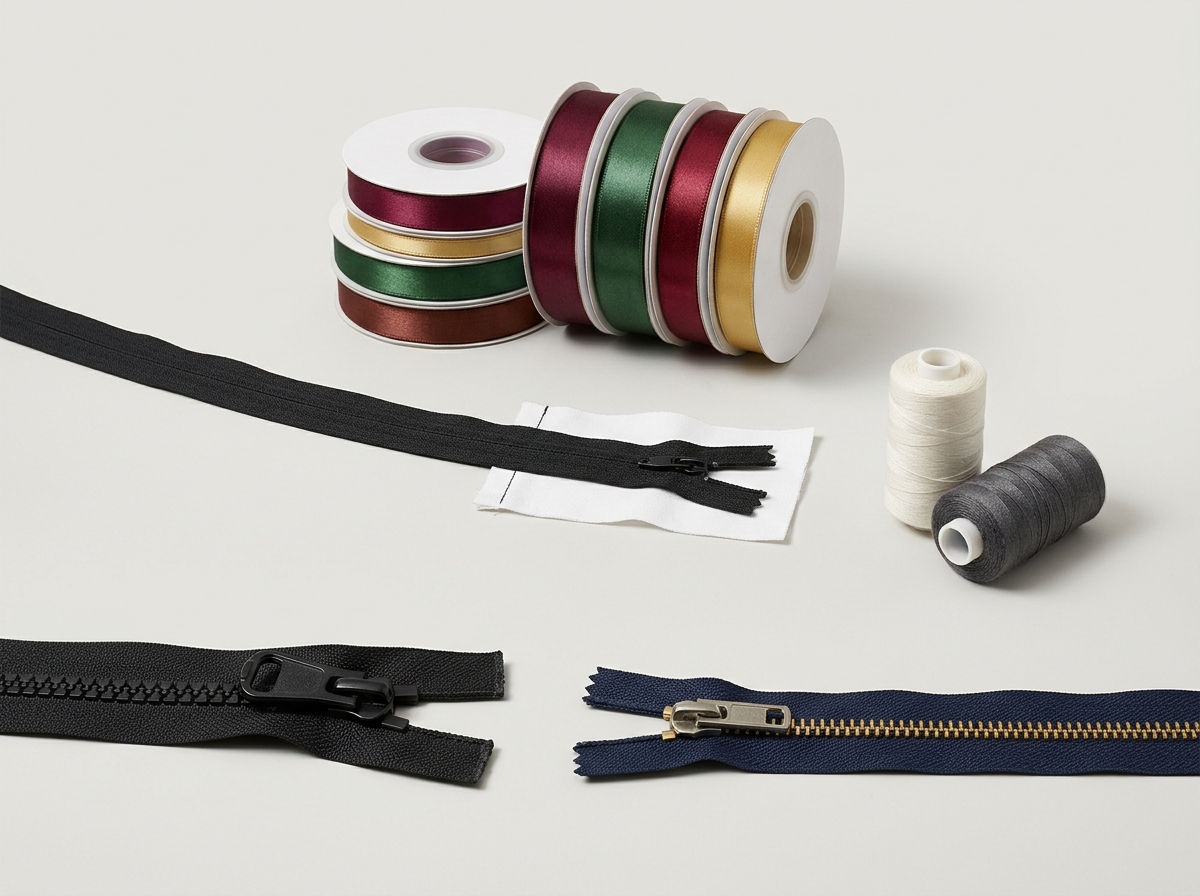
The main components that determine performance are the tape, the chain type, the slider, the puller, and the stop system. Nylon coil zippers are common in sportswear because they are flexible and light. Molded plastic zippers are popular in backpacks and soft luggage because they tolerate impact and rough handling. Metal zippers are valued for strength and premium appearance, but they can be heavier and less comfortable in activewear.
| Zipper Type | Typical Use | Key Strength | Main Limitation | Best Fit |
|---|---|---|---|---|
| Nylon coil | Sportswear, jackets | Flexible, smooth, lightweight | Lower abrasion resistance than metal in harsh use | Running wear, training apparel |
| Molded plastic | Bags, backpacks, travel gear | Good impact resistance, low corrosion risk | Bulkier appearance | Everyday bags, soft luggage |
| Metal | Denim, premium bags | High perceived strength and premium look | Heavier, can feel stiffer | Fashion bags, heavy-duty outerwear |
Durability is also a testing issue. ASTM zipper testing methods measure performance under load and repeated use, while abrasion tests such as ISO 12947-2 assess how materials behave after friction exposure. For buyers, these standards are useful because they move the conversation from marketing claims to measurable performance.
Sportswear zipper selection: light weight, flexibility, and comfort
Sportswear zipper selection should prioritize movement, skin comfort, and low profile construction.
Activewear zippers must work with stretch fabrics, curved seams, and frequent motion. If a zipper is too stiff, it can distort the garment or create pressure points. In performance apparel, a smooth coil zipper often performs better than a rigid chain because it bends naturally with the fabric.
For sportswear, buyers usually evaluate three practical factors: low opening force, stable slider motion, and soft tape feel. In cold weather gear, zippers should remain functional when the fabric is thicker and seam tension rises. In training tops and cycling gear, weight and airflow matter more, so smaller gauge zippers are usually preferred.
| Sportswear Requirement | Recommended Zipper Feature | Why It Matters | Procurement Check |
|---|---|---|---|
| Stretch mobility | Flexible nylon coil | Reduces seam stress during motion | Test on curved seam samples |
| Light weight | Smaller gauge slider and chain | Improves wearer comfort | Confirm zipper mass per meter |
| Low friction | Smooth slider finish | Prevents snagging during repeated use | Check open-close feel across 20+ cycles |
| Moisture exposure | Corrosion-resistant components | Helps in sweat and wash environments | Review metal treatment and coating |
A useful benchmark for apparel engineers is ISO 4915 seam classification awareness combined with zipper testing under garment strain, because the seam and zipper work together as a system. When the zipper tape is sewn into stretch fabric, thread selection also matters. That is why products such as sewing thread are part of the wider durability conversation, not a separate issue.
Bag zipper and travel gear zipper requirements for higher abuse
Bag zipper durability is usually judged by abrasion tolerance, repeated cycling, and load-bearing stability.
Unlike sportswear, bags and travel gear are exposed to rougher handling. They are pulled under load, dragged against hard surfaces, and exposed to dirt, dust, and accidental overpacking. That means zipper choice should account for side force and top-stop integrity, not just smooth opening.
For backpacks, duffels, and carry-on luggage, molded plastic zippers are often chosen because they can resist impact better than fine coil structures. Metal zippers can also be durable, but they may be less forgiving when a bag is overloaded. In travel products, the zipper must remain usable after repeated stuffing and compression.
A practical sourcing point is that a zipper intended for a backpack pocket may not be suitable for a main compartment. The main compartment sees stronger tension, so buyers often specify a stronger chain, reinforced tape, and a larger slider body. In wholesale projects, it is normal to request sample testing on full-bag assemblies before approving mass production.
| Bag or Travel Use | Preferred Zipper Style | Stress Type | Quality Risk if Wrong |
|---|---|---|---|
| Backpack pocket | Nylon coil or molded plastic | Frequent light cycling | Snagging and poor feel |
| Main compartment | Molded plastic or metal | Higher tension and load | Tooth separation or slider wear |
| Soft luggage | Sturdy molded plastic | Compression and abrasion | Chain deformation after repeated packing |
| Accessory pouch | Fine coil zipper | Low load, high frequency | Excess weight or stiffness |
For bags and luggage, the most common failure points are misaligned stitching, weak end stops, and over-optimistic slider selection. A durable zipper is only durable if the full assembly is engineered correctly.
How to compare durable zipper materials and construction
The best zipper material depends on use environment, product design, and budget target.
Material comparison is usually more useful than brand comparison because the same visible style can behave differently depending on tape density, chain geometry, and slider coating. For example, nylon coil zippers offer excellent flexibility, but metal zippers can be preferred where a rigid appearance is part of the product identity.
Moisture resistance also matters. In humid climates and travel products, corrosion on metal parts can reduce lifespan. In outdoor sportswear, repeated sweat exposure makes smoother surfaces and corrosion-resistant finishes more valuable. Buyers should ask suppliers whether the zipper has been tested after environmental exposure, not just in a dry lab condition.
| Material Factor | Typical Best Choice | Performance Benefit | Buyer Question |
|---|---|---|---|
| Flexibility | Nylon coil | Bends with fabric | Will it work on curved seams? |
| Impact resistance | Molded plastic | Good for daily bag use | How many open-close cycles were tested? |
| Premium appearance | Metal | Higher visual value | Is surface finish consistent across lots? |
| Corrosion risk | Coated or treated components | Better in humid use | Has salt spray or humidity testing been done? |
For textile buyers, a durable zipper should be selected together with the surrounding trim system. Items like ribbons and lace are not zipper substitutes, but they often influence garment finish, sewing path, and product positioning. That matters in fashion, gift packaging, and DIY projects where appearance and function both count.
Wholesale buying checklist for durable zippers
Wholesale zipper buying should be based on specification control, not on sample appearance alone.
Most sourcing mistakes happen when buyers approve a sample that looks acceptable but never verify the test conditions behind it. A zipper may feel smooth in a showroom and still fail after laundering, loading, or repeated use. To reduce risk, buyers should define measurable requirements before placing bulk orders.
- Confirm zipper type by end use: sportswear, bag, or travel gear.
- Request material details for tape, teeth, slider, puller, and top stop.
- Ask for cycle testing results and abrasion or pull test reports.
- Check color consistency, especially for fashion and branded products.
- Review MOQ, sample cost, lead time, and packaging method before approval.
In many B2B programs, lead time and color consistency are as important as raw durability. A strong zipper that arrives late or with shade variation can still create production problems. That is why wholesale suppliers should be evaluated as process partners, not just product vendors.
Testing methods and standards buyers can actually use
Testing is the fastest way to separate real durability from marketing language.
Standards do not replace product judgment, but they give buyers a common language. ASTM D2061 is widely used for zipper strength-related evaluation, while ISO 12947-2 provides a recognized abrasion framework for textile and related components. For dimensional and measurement discipline in manufacturing, NIST measurement resources are useful for understanding traceability and calibration culture.
In practical procurement, the most useful zipper tests include cycle testing, slider pull consistency, tape tear resistance, and corrosion resistance for metal parts. If the end product is travel gear, load simulation and pocket stress testing should be added. If the end product is sportswear, seam distortion and comfort testing matter more.
| Test Type | Purpose | What Buyers Learn | When to Require It |
|---|---|---|---|
| Cycle test | Repeated open-close durability | Expected lifespan under use | All bulk orders |
| Pull or tensile test | Resistance to separation | How the zipper behaves under load | Bags and luggage |
| Abrasion test | Surface wear resistance | How fast the tape or chain degrades | Travel and outdoor items |
| Corrosion test | Environmental resistance | Suitability for humid or sweaty use | Metal zippers and outdoor products |
For buyers who want stronger engineering discipline, the ideal supplier can explain which test method was used, how samples were conditioned, and what pass-fail criteria were applied. Without that information, test numbers are hard to compare.
Common zipper failures and how to prevent them
Most zipper failures are predictable and preventable.
The most common issues are slider spreading, tooth misalignment, tape fraying, and top stop failure. In apparel, the problem may begin with poor stitch placement. In bags, the issue is often overloading or repeated stress on one end of the chain. In travel gear, dust and debris can accelerate wear if the zipper design is too delicate for the application.
Prevention is usually a combination of product selection and process control. Choosing a stronger chain does not help if the sewing allowance is too narrow. Likewise, a high-grade slider cannot compensate for poor assembly or improper washing care.
- Avoid under-specifying the zipper gauge for heavy bags.
- Use stabilized sewing construction around the zipper opening.
- Check that the slider matches the chain profile exactly.
- Specify the finish for corrosion-prone environments.
- Test on the real product, not only on a loose zipper strip.
In practice, the best suppliers for durable zippers are often the ones that can discuss both material and application. That is especially important for DIY tools and mixed accessory sourcing, where buyers may need zipper-related items alongside sewing supplies and finishing components.
How to choose the right zipper for your product category
The right zipper choice is determined by use case intensity, not by a universal ranking of materials.
If you are making sportswear, start with flexibility, weight, and comfort. If you are making bags, start with load resistance and cycle life. If you are making travel gear, start with durability under compression and environmental exposure. In every case, ask for samples, test results, and production consistency before committing to bulk purchase.
For wholesale buyers, the safest path is to define the zipper by end use, size, chain style, slider type, color, and test expectation. That level of specificity reduces returns and simplifies quality inspection. It also helps sourcing teams compare suppliers on the same basis.
If your catalog includes zippers as part of a broader trim or accessories program, pairing them with the right product pages can help buyers navigate faster. For example, zippers support garment and luggage applications, while broader sewing accessories help present a complete procurement solution.
Frequently asked questions about durable zippers
What is the most durable zipper type for bags?
For many bags, molded plastic or metal zippers are the most durable choices because they handle abrasion and load better than fine decorative options. The best answer still depends on the bag size, expected weight, and usage environment.
Are nylon coil zippers durable enough for sportswear?
Yes, nylon coil zippers are often durable enough for sportswear because they are flexible, lightweight, and comfortable against the body. They work especially well in garments that need motion-friendly construction.
How many cycles should a durable zipper survive?
Cycle targets depend on the product category and test plan, so buyers should define their own requirement with the supplier. The important point is to ask for a documented cycle test rather than assuming all zippers are equivalent.
What causes zipper failure most often?
The most common causes are poor slider fit, weak stops, incorrect application, and sewing or assembly errors. In many cases, the zipper itself is only one part of the problem.
Should I choose metal or plastic zippers for travel gear?
Plastic zippers are often preferred for everyday travel gear because they are lighter and can tolerate impact well. Metal zippers may be chosen when a premium look or stronger tactile feel is important.
What should wholesale buyers ask before placing a zipper order?
Buyers should ask about material, size, MOQ, sample policy, lead time, test reports, packaging, and color tolerance. Those details usually matter more than the first sample impression.
How do I know if a zipper supplier is reliable?
A reliable supplier can explain the zipper structure, share test methods, maintain batch consistency, and support sample approval before bulk production. Clear technical communication is often the best reliability signal.

Post time: Jul-15-2026