- Waterproof zipper choice should be based on rain exposure, abrasion risk, and expected opening cycles.
- Long-term durability depends on tape material, slider metallurgy, coil geometry, and seam sealing quality.
- For wholesale buyers, MOQ, sample approval, color matching, and lead time are as important as water resistance.
- Testing should include spray resistance, flex fatigue, salt spray if needed, and real-bag load cycling.
- The right zipper is the one that balances waterproof performance, smooth operation, and repairability.
Choosing a waterproof backpack zipper is not only a design decision; it is a lifecycle decision that affects comfort, leak protection, and returns. In textile product testing, water repellency is commonly checked against ISO 4920, while zipper strength and durability can be assessed with methods such as ASTM D3393. For backpack buyers, that matters because a zipper that looks sealed on day one can still fail after repeated bending, dust exposure, or poor stitching. If you source in bulk, the most reliable path is to compare zipper type, tape construction, slider finish, and end-use conditions across your zipper category, waterproof zipper range, and related sewing accessories used in assembly and finishing.
What a waterproof backpack zipper must do in real use
A waterproof backpack zipper must resist water intrusion while surviving repeated flexing, dirt, and tension.
In the field, users do not experience “laboratory waterproofing”; they experience rain, shoulder movement, bag overpacking, and zipper misuse. That means the zipper has to preserve sealing under dynamic conditions. A pack worn in commuting or travel can see hundreds of open-close cycles per month, so the slider must keep consistent clamping pressure, and the tape must not delaminate from the fabric edge. If the backpack is built for outdoor or tactical use, the zipper also needs stable performance at low temperature, where coatings and adhesives can become less forgiving.
Waterproof zipper systems generally fall into three practical groups: coated coil zippers, reversed coil zippers with water-repellent treatments, and laminated or bonded waterproof zippers. Coated systems often provide a better seal, but they may feel stiffer. Reversed coil zippers are smoother and lighter, but their water resistance depends more on tape geometry and seam quality. Laminated systems can deliver the best rain protection, but they usually require tighter manufacturing control and may cost more. For wholesale sourcing, this trade-off matters because the right product for a fashion commuter bag is not always the right product for a hiking pack.
| Zipper type | Water resistance level | Typical use case | Trade-off |
|---|---|---|---|
| Reverse coil zipper | Moderate | Urban daypacks, laptop bags | Smoother feel, lower sealing margin |
| PU-coated waterproof zipper | High | Rainproof backpacks, travel packs | Stiffer opening action |
| Laminated waterproof zipper | Very high | Outdoor, expedition, premium bags | Higher cost, stricter assembly needs |
How to evaluate waterproof zipper performance for long-term use
Long-term use should be judged by cycle life, sealing stability, and resistance to contamination.
The best zipper is not simply the most waterproof one; it is the one that keeps performing after repeated use. A useful evaluation starts with cycle testing. Zipper durability testing commonly measures how many open-close cycles the slider and chain can survive before failure, poor engagement, or excessive friction appear. For buyer qualification, it is sensible to request cycle data from the supplier and align it with backpack positioning. Light commuter bags may tolerate a lower cycle target than a premium outdoor backpack that is expected to last for years.
Another important metric is water resistance under motion. A zipper that resists spray in a static test may still leak when the bag is flexed. That is why sealed construction, tape overlap, and seam finishing matter as much as the zipper element itself. In practical sourcing, look for compatibility between zipper tape and shell fabric, because a stiff zipper on a thin fabric can create stress points that accelerate seam failure. If your application is high exposure, ask for spray testing evidence aligned with ISO 22958 for textile resistance to water penetration under rain simulation, and compare it with the bag’s overall design.
| Evaluation factor | What to ask for | Why it matters | Buyer risk if ignored |
|---|---|---|---|
| Cycle life | Open-close cycles to failure | Indicates long-term durability | Premature return claims |
| Water test method | ISO or equivalent spray method | Shows real water resistance | False waterproof claims |
| Slider friction | Smoothness after repeated use | Improves daily usability | Sticking, jamming, user complaints |
| Tape adhesion | Bond strength or peel resistance | Prevents edge lifting | Leak paths at seam area |
Material choices that extend waterproof backpack zipper service life
Material selection is the main driver of whether a waterproof zipper survives heavy use.
For the chain, polyester and nylon remain common because they balance flexibility, abrasion resistance, and production cost. For the tape, PU-coated polyester is widely used when a sealed surface is needed. The slider may be zinc alloy, plated metal, or engineered plastic depending on price target and corrosion exposure. In humid or coastal environments, corrosion resistance matters because the slider is often the first component to degrade. If the zipper is used on a pack that may see salt air or sweat exposure, buyers should ask about plating durability and corrosion test documentation.
From a design perspective, the bag fabric should not be treated as separate from the zipper. A waterproof zipper paired with a highly absorbent or poorly coated fabric can still allow ingress through stitch lines, corners, or pocket openings. The total system matters. That is why many spec sheets define both zipper performance and fabric performance. For a backpack intended to protect electronics, a water-resistant shell and sealed zipper together are more reliable than either component alone.
| Component | Common material | Durability advantage | Typical concern |
|---|---|---|---|
| Chain element | Nylon or polyester coil | Flexible and light | Wear under high bending |
| Tape | PU-coated polyester | Better water sealing | Delamination if poorly bonded |
| Slider | Zinc alloy or coated metal | Stable engagement | Corrosion in harsh environments |
| Puller | Metal or reinforced polymer | Improved grip | Breakage under rough handling |
Waterproof backpack zipper specs buyers should compare
Spec comparison is the fastest way to separate a good waterproof zipper from a marketing claim.
When sourcing for long-term use, buyers should compare the zipper’s nominal size, opening width, slider style, tape thickness, and finish quality. A larger zipper can improve strength, but it may reduce flexibility and increase weight. For smaller urban bags, that penalty may matter. For travel or outdoor packs, the structural margin is often worth it. Buyers should also pay attention to chain profile and whether the zipper opens smoothly after repeated loading, because a stiff zipper often leads to rough handling and premature damage.
Here is a practical procurement checklist for wholesale teams evaluating a waterproof backpack zipper:
- Confirm the use environment: daily commuting, cycling, hiking, or travel.
- Request cycle-life data and the test method used.
- Ask whether the zipper is coated, laminated, or reverse coil.
- Verify color consistency against bulk production samples.
- Check whether the tape width and seam allowance match the backpack pattern.
- Confirm MOQ, sample lead time, and bulk packing details before approval.
For assembly reliability, it is also helpful to align zipper procurement with broader trimming and sewing workflows. If your factory handles multiple accessory lines, a supplier with sewing thread, lace, and other wholesale accessories can reduce coordination friction across sample development and bulk production.
How standards and test methods support better sourcing decisions
Standards give buyers a common language for comparing claims across suppliers.
Although backpack performance is influenced by the full construction, standardized methods help reduce guesswork. ISO 4920 is useful for checking textile water repellency by spray test, while ASTM D3393 provides a reference point for zipper strength and durability evaluation. If you are buying internationally, this matters because supplier test reports can otherwise use different internal methods that are hard to compare. A sample may pass a factory test yet still fail in the field because the method was too gentle or not representative of actual use.
For added control, some buyers request salt spray or corrosion checks for metal components, especially when selling into coastal or humid regions. If the backpack is aimed at technical outdoor users, temperature cycling and flex testing can also reveal adhesive weakness in laminated constructions. The key is not to test everything blindly; it is to match the test to the risk. A school backpack, a camera bag, and a mountaineering pack have different failure patterns, so the test plan should reflect the product category.
| Standard or method | What it helps evaluate | Best for | Buyer takeaway |
|---|---|---|---|
| ISO 4920 | Water repellency by spray | Textile shell and zipper area | Useful for comparing rain resistance |
| ASTM D3393 | Zipper strength and durability | Chain and slider performance | Helpful for lifecycle validation |
| Salt spray test | Corrosion risk | Metal sliders and pullers | Important for humid and coastal markets |
| Flex cycling | Repeated bending stress | Outdoor and travel packs | Reveals seam and coating weakness |
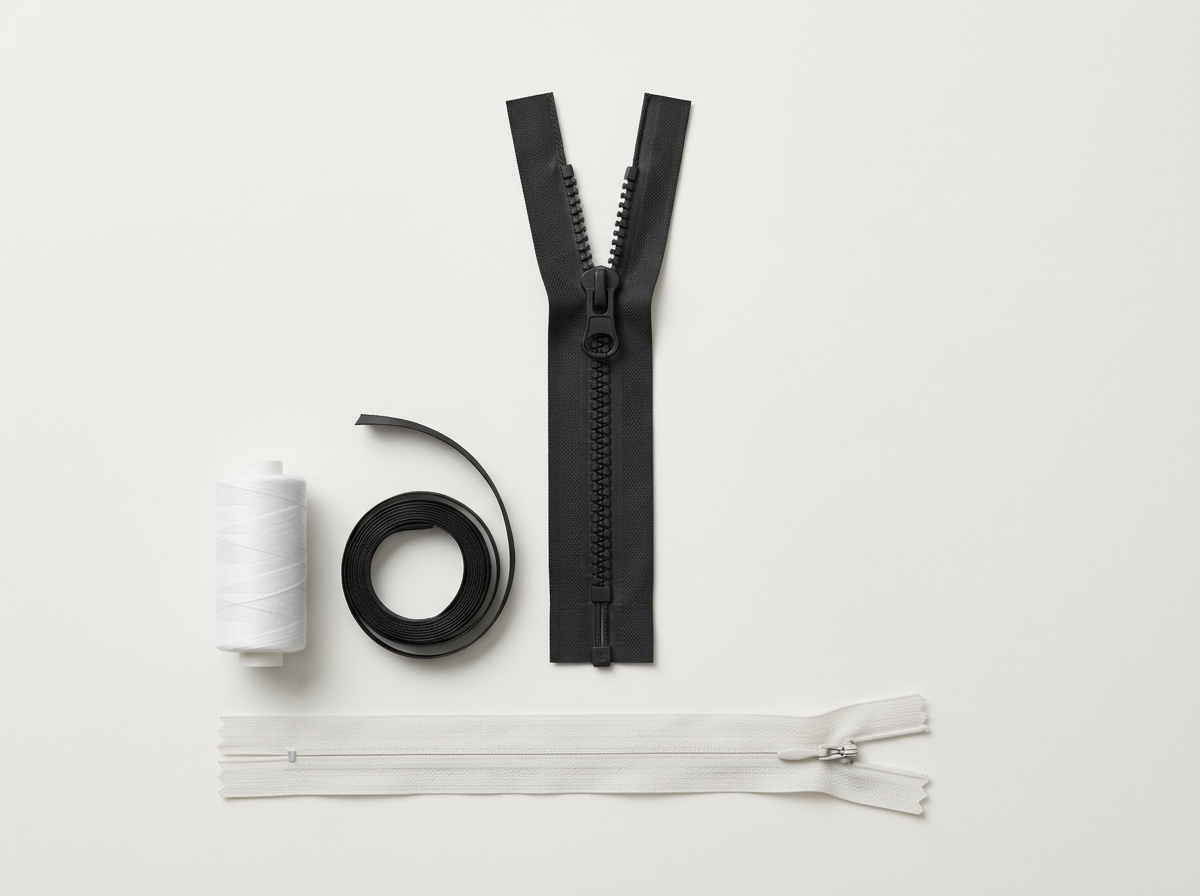 Wholesale sourcing decisions for waterproof backpack zipper projects
Wholesale buyers should optimize for consistency, not just unit price.
In B2B sourcing, the cheapest waterproof zipper can become the most expensive option if it causes returns, rework, or delayed launches. A reliable procurement process usually includes sample review, color approval, bulk tolerance checks, and packing inspection. For backpack projects, buyers should define acceptable variation in zipper length, puller finish, and tape appearance before the order is placed. If the supplier supports batch tracking, that also improves traceability when a defect appears.
When discussing MOQ and lead time, buyers should ask for a clear distinction between sample production and mass production schedules. This is especially important for private-label backpack programs, where zipper color and finish must match the shell fabric and branding. Packaging details also matter because waterproof zipper surfaces can be scratched during transport if they are packed loosely. In practical terms, a slightly higher unit cost may be justified if the supplier can provide better consistency and lower incoming inspection time.
- Define the backpack’s exposure level before choosing zipper type.
- Request sample units and test them in real weather or spray conditions.
- Check compatibility between zipper tape, shell fabric, and seam process.
- Approve bulk only after cycle, appearance, and sealing checks.
- Confirm MOQ, packing method, and lead time in writing.
Common mistakes when selecting a waterproof zipper
Most zipper failures come from mismatched expectations rather than defective products.
A common mistake is assuming that all waterproof zippers are equally sealed. In reality, water resistance varies by construction, coating quality, and installation method. Another frequent problem is selecting a zipper that performs well in a flat sample but fails once sewn into a curved or heavily loaded backpack panel. The installation process can compress or distort the tape, reducing the effective seal. A third mistake is overlooking the slider. Even with a strong tape, a weak slider can create gaps and uneven closure over time.
Buyers also sometimes over-spec the zipper. A very stiff, highly sealed system may be unnecessary for a lightweight lifestyle backpack and can reduce user comfort. On the other hand, under-specifying the zipper for a travel or outdoor pack can produce leaks and complaints. The correct choice depends on product positioning, not on a universal “best” zipper.
- Do not equate water resistance with absolute waterproofness.
- Do not approve samples without testing them in sewn-in condition.
- Do not ignore slider quality and corrosion resistance.
- Do not choose a stiff zipper for a bag that needs daily comfort.
How to match waterproof backpack zipper type to the bag category
The best zipper choice depends on how the backpack will be used and sold.
For commuter backpacks, a smooth reverse coil or moderate waterproof solution may be enough because the main risk is light rain and daily wear. For business travel backpacks carrying electronics, a more sealed PU-coated construction is often a safer choice. For outdoor and expedition packs, laminated or high-seal systems are usually worth the added cost because the consequence of leakage is higher. If the bag is positioned as a premium lifestyle product, appearance, pull feel, and clean finishing may be just as important as the technical waterproof rating.
| Backpack category | Recommended zipper style | Main buyer priority | Service-life focus |
|---|---|---|---|
| Daily commuter | Reverse coil or light sealed type | Smooth operation | Moderate cycle life |
| Business travel | PU-coated waterproof zipper | Rain protection | Balanced seal and usability |
| Outdoor / hiking | Laminated waterproof zipper | High water resistance | High cycle and flex endurance |
| Premium tactical | Heavy-duty sealed zipper | Durability under load | Corrosion and abrasion resistance |
Frequently asked questions about waterproof backpack zipper selection
What is the most durable waterproof backpack zipper?
The most durable option is usually a sealed construction with strong tape adhesion, a corrosion-resistant slider, and proven cycle-life data in sewn-in testing.
Is a waterproof zipper fully leakproof?
No. A waterproof zipper can reduce water ingress significantly, but seams, corners, fabric choice, and assembly quality still affect the final result.
Which zipper type is best for a backpack used in heavy rain?
A laminated or heavily sealed waterproof zipper is generally the safer choice for frequent rain exposure, especially on travel or outdoor bags.
How do I test a zipper before placing a bulk order?
Ask for sample units, run spray or rain simulation, open and close them repeatedly, and inspect the sewn-in area for leakage and edge lifting.
Why do some waterproof zippers feel stiff?
Stiffness often comes from the sealing layer, tape structure, or tighter slider engagement, all of which can improve water resistance but reduce flexibility.
What should wholesale buyers confirm before ordering?
Confirm zipper type, size, color, MOQ, sample lead time, packaging method, and whether the supplier can provide test documentation.
Can a zipper fail even if the bag fabric is waterproof?
Yes. The zipper is a separate entry point, so fabric waterproofness does not guarantee overall bag waterproofness.
For buyers who want to compare product structures across a broader trim and accessory catalog, it is useful to review the full product directory and related categories such as zipper products, waterproof zipper options, and sewing thread for assembly compatibility.

Post time: Jul-07-2026