- Waterproof tent zipper performance depends on the full closure system, not just the slider.
- Material choice, tape coating, and seam design determine leak resistance and long-term reliability.
- For wholesale buyers, MOQ, color match, sample lead time, and tape width matter as much as water resistance.
- Testing should reference real standards such as ASTM D4851 for sewn seams and ISO 811 for water penetration.
A waterproof tent zipper is a small component with an outsized impact on outdoor equipment reliability, especially in shelters, vestibules, gear pockets, and rain covers where opening failure can turn a good product into a customer complaint. For technical buyers, the key question is not simply whether a zipper is “waterproof,” but whether the closure can preserve function after rain exposure, repeated flexing, UV exposure, and contamination from dust or sand. In outdoor product design, that means evaluating water column resistance, sliding force, tape adhesion, and compatibility with the surrounding fabric system, while keeping wholesale requirements such as zipper, sewing accessories, and DIY tools sourcing in mind.
Why a waterproof tent zipper matters for outdoor gear reliability
The zipper is often the first mechanical interface to fail in wet outdoor use, so its reliability directly affects the perceived quality of the entire product.
Rainproof seams can protect the fabric panel, but the opening remains vulnerable because it combines motion, pressure, and repeated contact. When water enters through the closure, it can wet insulation, stain contents, or create cold spots in sleeping zones. In a tent, that can mean a damp foot box or a vestibule that no longer protects packs and footwear. In a gear cover, it can mean equipment corrosion and customer returns. This is why outdoor brands often treat the zipper as a system component rather than a standalone trim item.
For wholesale procurement, the reliability question should be translated into measurable criteria. A closure system should be checked for water penetration resistance, sliding durability, seam compatibility, and visual consistency across dye lots. Those are the practical factors that separate a promotional-grade closure from a product-grade waterproof zipper used in outdoor equipment.
Waterproof tent zipper construction and how it stops leakage
The most reliable waterproof zipper designs block water through multiple barriers, not a single coating.
Most waterproof tent zipper systems use a coated tape, a tight coil or molded tooth profile, and an overlay or seal path that limits direct water entry. In many outdoor applications, the zipper is paired with a storm flap so the closure does not rely on tooth contact alone. This layered approach improves performance because water rarely moves in only one way; it can wick through fabric, enter along stitching holes, or accumulate at the slider end.
The construction choice should match the end use. A lightweight backpack pocket zipper may prioritize flexibility and low opening force, while a tent vestibule zipper may prioritize sealing and abrasion resistance. If you are sourcing for a supplier catalog, a tent zipper spec should always be linked to fabric weight, opening length, pull frequency, and expected exposure.
| Component | Function | Buyer Check | Typical Value Range |
|---|---|---|---|
| Tape | Anchors the closure to fabric | Coating adhesion, width, stitch stability | Approximately 25 mm to 40 mm for many outdoor applications |
| Slider | Interlocks and unlocks the teeth | Smoothness, corrosion resistance, pull force | Metal or engineered polymer; salt-spray tested in many programs |
| Seal path | Reduces direct water entry | Overlay coverage, seam sealing | Designed with flap or laminated barrier |
| Tooth/coil system | Provides closure engagement | Engagement consistency under flexing | Selected by load and flexibility needs |
Testing the closure as a system is essential because the zipper may pass a simple open-close check yet still leak at the ends or through stitch lines. For that reason, product teams often combine zipper validation with seam testing under ASTM D4851, which is designed for sewn seams, and water penetration testing under ISO 811, which measures resistance to water penetration under pressure.
Waterproof zipper performance metrics buyers should compare
Reliable sourcing starts with measurable performance, not catalog language.
One useful benchmark is the water column concept used in outdoor textiles, where higher resistance indicates better hydrostatic performance. ISO 811 is widely referenced for water penetration resistance, while many fabric systems are also evaluated by equivalent water pressure methods used in product qualification. For the zipper itself, buyers should ask for data on leakage under spray or static pressure, cycling durability, and colorfastness after weather exposure.
A useful procurement frame is to ask suppliers for the actual test conditions rather than just the pass/fail result. Was the zipper tested after 500 cycles or 5,000 cycles? Was leakage recorded at the slider, top stop, or stitched tape edge? Was the sample tested dry, damp, or after abrasion? These details matter because a waterproof tent zipper can show different behavior once contamination and repeated bending are introduced.
| Metric | Why It Matters | What to Request | Common Test Reference |
|---|---|---|---|
| Water penetration resistance | Shows whether the closure leaks under pressure | Pressure value, failure point, sample count | ISO 811 |
| Seam performance | Captures tape and stitch weakness | Seam type, thread, needle size | ASTM D4851 |
| Cycle durability | Shows wear after repeated use | Number of open-close cycles | Buyer-defined qualification plan |
| Corrosion resistance | Important for rain, mud, and coastal use | Salt exposure duration | Often aligned with ASTM or internal lab methods |
For product development teams, one practical lesson is that a high-performing zipper on paper can still fail in the field if the tape is not compatible with the face fabric. Coated tent materials, laminated panels, and lightweight ripstop each behave differently during stitching and washing. That is why engineers often run a sample build before bulk approval.
Material choices for waterproof tent zipper reliability
Material selection determines whether the zipper stays functional after real outdoor abuse.
Outdoor zippers usually rely on nylon coil, molded polymer teeth, or coated closure systems, each with different tradeoffs. Nylon coil systems are flexible and compact, which is useful in tent panels that bend repeatedly. Molded teeth can offer more robust engagement in some applications, while coated waterproof systems often emphasize water blocking at the cost of higher opening resistance. The best choice depends on whether the end product values softness, sealing strength, or long-term wear resistance.
From a supplier perspective, consistency matters as much as chemistry. Shade variation, coating thickness, and slider finish can all affect the user experience. For wholesale buyers, bulk orders should confirm color standards, tape width, package format, and whether spare sliders or pullers are included. A good zipper puller can also improve usability for gloved hands in wet conditions.
| Material Option | Strength | Limitation | Best Fit |
|---|---|---|---|
| Nylon coil | Flexible, lightweight, easy to sew | May need extra sealing support | Light to medium-duty tents |
| Molded polymer teeth | Good engagement and durability | Less flexible in tight curves | Doors, heavy-duty covers |
| Coated waterproof closure | Stronger water blocking | Higher opening force | Vestibules, storm pockets |
Outdoor buyers often ask which option is “best,” but the real answer is conditional. A family camping tent, a mountain expedition shelter, and a utility tarp cover do not need the same closure architecture. The right selection balances sealing, flexibility, and seam efficiency.
How standards improve waterproof zipper testing and trust
Standards turn subjective product claims into comparable technical evidence.
For waterproof tent zipper applications, testing should not be limited to internal visual inspection. Water resistance is usually validated through recognized methods such as ISO 811, while sewn seam behavior can be evaluated through ASTM D4851. If the closure is used in products with electrical components, ingress protection expectations can also be framed against the IEC system documented by IEC.
These standards matter because they help procurement teams compare samples from different suppliers under the same logic. A zipper that performs well only in a single-house test is harder to qualify than one that can be described with pressure values, cycle counts, and reproducible conditions. That transparency also builds trust for downstream buyers in camping, outdoor apparel, and equipment-cover markets.
In practice, a supplier should be able to answer four questions: what was tested, how it was tested, how many samples were used, and what failure mode was observed. Without that, a waterproof zipper claim is not very useful for a B2B buyer.
 Wholesale procurement checklist for waterproof tent zipper buyers
Wholesale buyers should evaluate both product performance and supply chain practicality before placing a bulk order.
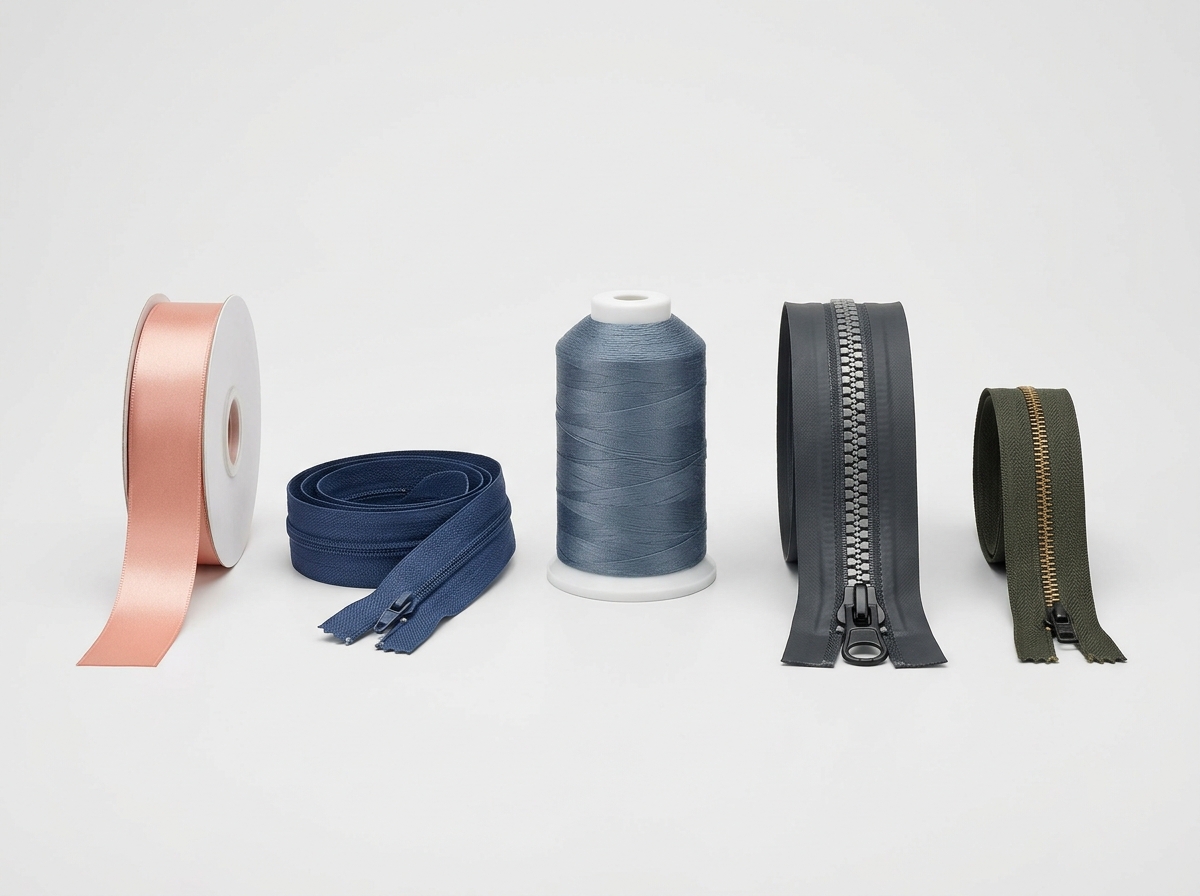
Because New Swell operates in ribbons, laces, sewing thread, and accessory categories, the buying logic should be framed around standardization, MOQ, and repeatability. For waterproof tent zipper sourcing, the most common mistakes are focusing only on price, ignoring sample approval, and failing to lock down the exact tape width or puller type.
- Confirm the application: tent door, vestibule, gear pocket, or rain cover.
- Request sample length, color, slider type, and tape width before bulk pricing.
- Ask for water resistance data with the test method named explicitly.
- Check compatibility with the outer fabric and seam sealing process.
- Define packaging, carton count, and lead time for replenishment planning.
A practical sourcing program should also clarify spare components. For example, a zipper supplied with matching pull tabs can reduce assembly friction and improve usability in cold or wet weather. If the final product is sold for expedition or marine use, salt exposure and corrosion resistance become more important than a small difference in unit cost.
Real-world failure modes that reduce outdoor equipment reliability
Most zipper failures in outdoor gear come from predictable field stresses, not mysterious defects.
The common failure modes are leakage at the slider, stitching holes along the tape, contamination in the teeth or coil, and loss of smooth movement after abrasion. In wet camping conditions, sand and fine dirt can act like grinding media, increasing wear and making the slider harder to operate. In cold weather, stiffness becomes a usability issue because users may apply extra force, increasing the risk of damage.
These failures are preventable when the closure is designed and tested as part of the complete product. For example, a storm flap can reduce direct water load, reinforced stitching can lower edge leakage, and a better puller shape can improve operation with gloves. The result is not just a “waterproof zipper,” but a closure that keeps working after repeated exposure to weather and handling.
For engineering teams, the most useful data is the failure map: where leakage started, how many cycles preceded stiffness, and what environmental condition accelerated the issue. That evidence informs better product revisions than a generic pass/fail statement.
How outdoor brands can improve reliability without overengineering
The best waterproof tent zipper solution is usually the simplest one that meets the use case.
Overengineering can create new problems, such as excessive opening force, stiff drape, and higher sewing difficulty. Underengineering, on the other hand, creates leaks and warranty claims. The best balance is usually found by matching closure architecture to the product class. Lightweight recreational tents may need a more flexible system, while expedition shelters may justify a heavier closure with stronger sealing margins.
If your sourcing strategy includes broader accessory planning, pairing the zipper order with scissors, sewing thread, and assembly tools can reduce production bottlenecks. That is especially useful for factories that need fast turnarounds on seasonal outdoor collections.
In procurement terms, reliability is created by three things: proper material pairing, consistent manufacturing, and evidence-based testing. If one of those is missing, the closure may still work in a showroom sample but fail in the rain.
When to choose a waterproof tent zipper over a standard zipper
You should choose a waterproof zipper whenever leakage would affect safety, comfort, or product reputation.
That includes tent doors, vestibules, storm flaps, soft cases, marine covers, and outdoor storage compartments. A standard zipper may be adequate for internal pockets or low-exposure items, but it is not the right choice where rain, splashes, or driven moisture are expected. The additional cost is often justified by lower failure risk and fewer returns.
For B2B buyers, the decision should be made at the product planning stage, not after sampling has already begun. Once the pattern is fixed, changing the closure type can require seam redesign, revised sewing methods, and new test validation. Early selection saves time and protects launch schedules.
The most reliable sourcing teams treat the zipper as a functional component, not a cosmetic add-on. That mindset leads to better field performance and a stronger product story.
FAQ
What is a waterproof tent zipper?
A waterproof tent zipper is a closure system designed to resist water entry through coated tape, sealing geometry, and storm-flap support. It is used where leakage would reduce the performance of outdoor gear.
Are waterproof zippers fully leak-proof?
No closure is automatically leak-proof in every condition. Performance depends on pressure, stitching, slider design, fabric compatibility, and how well the surrounding seam is sealed.
How do buyers test waterproof zipper quality?
Buyers usually request water penetration, seam, and durability testing under named methods such as ISO 811 and ASTM D4851, plus internal cycle tests for opening and closing performance.
What is the most important factor in outdoor zipper reliability?
The most important factor is system compatibility. A good zipper can still fail if the tape, stitching, fabric, or sealing method is mismatched.
Which products need waterproof zippers most?
Tent doors, vestibules, rain covers, marine storage, and outdoor equipment cases need them most because they are exposed to direct weather and splash risk.
What should wholesale buyers ask suppliers before ordering?
They should ask for MOQ, sample lead time, color options, tape width, slider type, packaging format, and test data with the test method clearly named.
Can a waterproof zipper improve product returns and customer satisfaction?
Yes. By reducing leakage and closure complaints, a waterproof zipper can lower field failures and improve the user experience in wet and abrasive environments.

Post time: Jul-08-2026