- Open end metal zippers are designed for jackets and other garments that must fully separate at the hem.
- For motorcycle riding jackets, the most important sourcing factors are strength, slider stability, corrosion resistance, and smooth operation under repeated bending.
- Wholesale buyers should specify size, length, tape color, puller style, sample approval, and packing requirements before production.
- Reliable quality control depends on standardized testing, not visual inspection alone.
- Scenarios such as riding jackets, workwear, and heavy outerwear all favor different zipper configurations.
Open end metal zipper selection for a motorcycle jacket zipper is ultimately a question of function, not decoration, because jacket closures must stay aligned, resist vibration, and remain easy to open after repeated use; in related fastening systems, durability testing is often tied to standardized methods such as ASTM D2061 for zipper strength evaluation and ISO 6330 for garment care durability, while dimensional accuracy in apparel production frequently depends on tolerances defined by the factory’s own specification sheet and inspection plan, often in the sub-millimeter range for critical parts like tape length and top/bottom stops.
Why an Open End Metal Zipper Fits Motorcycle Riding Jackets Better Than Light Garment Zippers
An open end metal zipper is better suited to a motorcycle riding jacket because it separates completely at the bottom, which matters when a rider needs fast on-and-off access over protective layers.
Unlike invisible or decorative zipper styles, the open-end format is built for outerwear structure, hem alignment, and stronger closure behavior under movement.
Motorcycle jackets also experience repeated stress from seated posture, wind pressure, and arm extension, so the zipper must tolerate frequent opening and closing without losing track alignment.
For buyers sourcing wholesale, the practical comparison is simple: the more demanding the garment, the more important metal teeth, reinforced tape, and stable insertion pins become.
If your product line also includes fashion outerwear or mixed apparel, reviewing Hidden Nylon Zippers helps clarify why concealed closure systems are better for dresses and skirts, while open-end metal closures are more suitable for protective jackets and utility garments.
Open End Metal Zipper Construction and the Motorcycle Jacket Zipper Performance Stack
The best motorcycle jacket zipper is not defined by one feature; it is defined by the full performance stack of teeth, tape, slider, and end-box assembly.
Metal teeth are typically chosen for their higher perceived strength and their ability to maintain a stable closing line on thick fabrics such as canvas, leather-look synthetics, or heavy polyester shell materials.
Open-end construction means the zipper has an insertion pin and box system at the lower end, which is essential for jackets that must fully separate when worn or removed.
In sourcing terms, buyers should ask for tooth size, tape width, slider type, finish, and testing method before confirming a bulk order.
For many outerwear projects, a supplier page such as Zippers is the right starting point, while production planning may also require color matching with Polyester Sewing Thread to keep the seam and zipper installation visually consistent.
| Component | Why It Matters | Typical Buyer Check | Risk If Missed |
|---|---|---|---|
| Metal teeth | Support repeated use and visual strength | Tooth material, finish, corrosion test | Rough closure or early wear |
| Open-end box and pin | Allows full jacket separation | Alignment and insertion depth | Misengagement at the hem |
| Slider | Controls smooth operation and lock behavior | Auto-lock, puller style, friction feel | Slippage or poor opening feel |
| Tape | Transfers stress to the garment panel | Width, weave density, colorfastness | Puckering or seam failure |
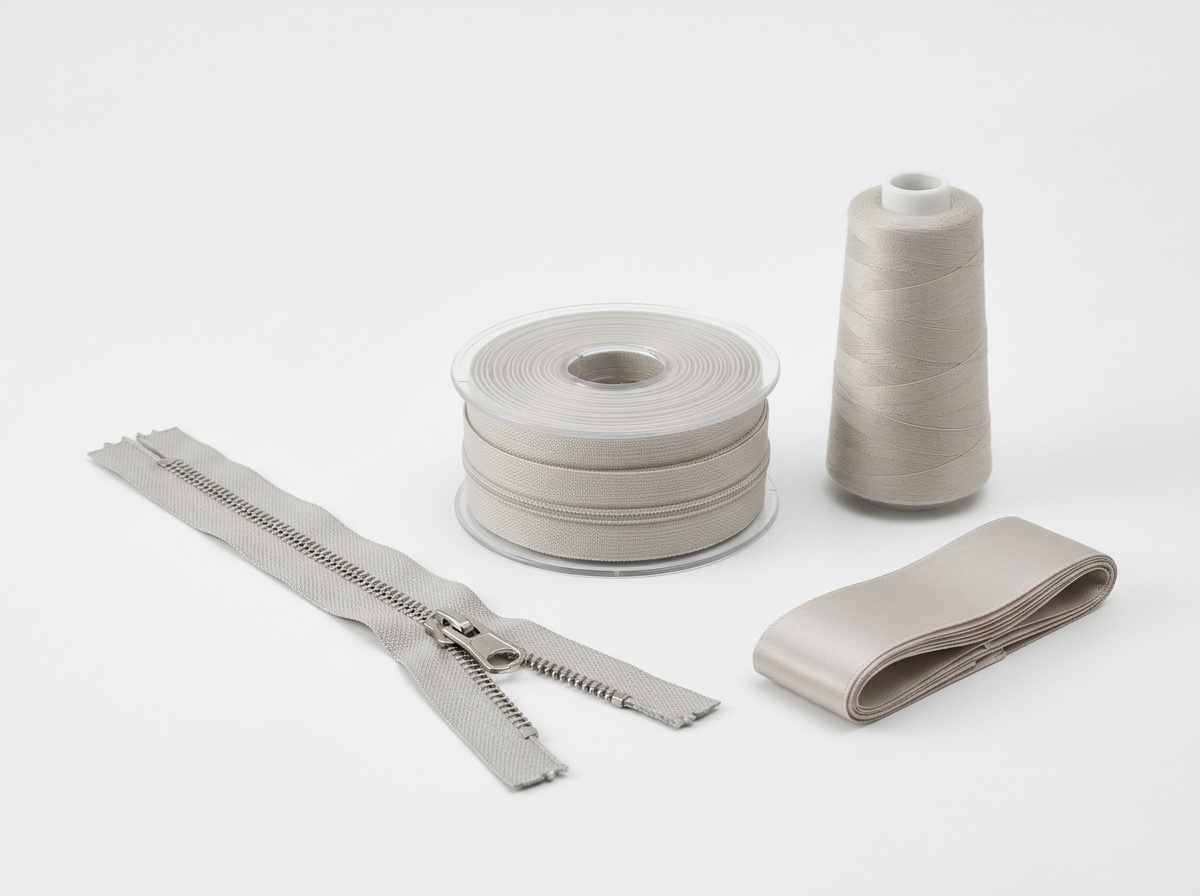 Technical Standards Buyers Should Use When Evaluating a Metal Zipper Manufacturer
A serious metal zipper manufacturer should be able to explain test methods, not just show product photos.
For zipper durability and closure integrity, ASTM D2061 is a widely used standard for determining the strength of slide fasteners, while garment-care and dimensional stability testing often draws on ASTM D764 when evaluating fabric and construction behavior in outerwear systems.
For broader textile quality management, a buyer can also reference ISO 105-C06 for colorfastness to domestic and commercial laundering, especially when zipper tape color must remain visually stable across production lots.
These standards do not replace factory testing, but they give buyers a language for comparing suppliers on objective terms rather than subjective claims.
In B2B sourcing, that matters because a zipper that looks identical in a sample room can still fail under repeated flexing, washing, or salt exposure once it enters field use.
| Evaluation Area | Reference Method | What Buyers Should Ask For | Why It Matters for Riding Jackets |
|---|---|---|---|
| Strength | ASTM D2061 | Failure load and test conditions | Prevents closure separation under stress |
| Color stability | ISO 105-C06 | Wash and shade retention data | Protects jacket appearance after care |
| Fit consistency | Factory inspection plan | Tape length, stop position, and tolerance sheet | Reduces sewing-line rework |
| Corrosion resistance | Supplier test report | Salt spray or finish durability data | Important for humid or wet riding conditions |
Choosing the Right Open End Metal Zipper Size for Motorcycle Jackets
Zipper size should be matched to garment weight, not chosen by appearance alone.
For motorcycle riding jackets, heavier shell fabrics and protective construction often require a sturdier zipper than fashion outerwear, because the closure must survive repeated loading from body movement and layered clothing.
Common buyer mistakes include selecting a zipper that is too light for the fabric weight or too short for the intended hem opening, both of which create sewing defects and user discomfort.
When a pattern includes a storm flap, lining, or reinforcement tape, the overall closure system becomes thicker, so the zipper must be chosen with enough allowance for smooth engagement.
Wholesale buyers should request samples in the actual target color, because metal finish and tape shade can shift under different lighting and production lots.
| Jacket Use Case | Recommended Zipper Focus | Buyer Priority | Common Failure Point |
|---|---|---|---|
| Riding jacket | Heavy-duty open-end metal zipper | Durability and alignment | Bottom separation failure |
| Workwear outerwear | Reinforced slider and tape | Long-cycle reliability | Slider wear |
| Fashion leather-look jacket | Decorative finish plus strength | Appearance and function balance | Surface scratching |
| Cold-weather shell | Smooth glide with low snag risk | Easy operation with gloves | Puller discomfort |
Wholesale Procurement Questions Every Buyer Should Ask a Metal Zipper Manufacturer
The best way to avoid rework is to lock down procurement details before the first bulk run.
Buyers should confirm MOQ, sample lead time, production lead time, packing format, color availability, and whether custom pullers or branding are supported.
Because open-end zippers are structural components, buyers should also ask how the factory controls tape shrinkage, tooth alignment, and lot-to-lot consistency.
If the jacket line includes matching trims, coordinating with product families such as Ribbons and Laces can simplify color management across the garment package.
For many overseas buyers, this is where a supplier’s category breadth becomes an advantage, because a consolidated sourcing basket can reduce communication overhead and improve consistency across accessories.
- Request a sample set in the final garment color.
- Confirm zipper size, length, and open-end structure.
- Ask for test documentation and inspection criteria.
- Verify MOQ, packing, and delivery schedule.
- Approve against the actual jacket pattern, not a loose fabric swatch.
Quality Control Checks for Open End Metal Zippers in Outerwear Production
Quality control should focus on functional failure points, not only on cosmetic defects.
For motorcycle jacket applications, the most important checks are slider engagement, bottom pin insertion, tooth meshing, tape symmetry, and seam compatibility.
A zipper that passes visual inspection can still create customer complaints if the slider feels rough, if the insertion pin is difficult to seat, or if the tape pulls the garment panel out of alignment.
Factories often use sample-based inspection, but a better method is to define acceptance criteria for every critical dimension and operational behavior before mass production starts.
That approach is especially useful for wholesale buyers who ship to multiple markets, because different regions may expect different closure feel, packaging style, or label presentation.
| QC Check | What to Inspect | Acceptance Logic | Failure Impact |
|---|---|---|---|
| Slider action | Smooth pull and lock behavior | No sticking or skipping | Customer dissatisfaction |
| Tooth alignment | Even closing line | No visible waviness | Snagging and wear |
| Bottom engagement | Pin and box fit | Firm insertion and secure hold | Open-end separation error |
| Tape symmetry | Left and right balance | Consistent width and stitching path | Panel distortion |
Where Open End Metal Zippers Outperform Other Closures in Motorcycle Apparel
Open-end metal zippers outperform lighter closures when the garment needs both structure and repeated access.
Compared with buttons, snaps, and light coil zippers, a metal open-end zipper is usually better at supporting a continuous front closure on a thick jacket panel.
This matters for riding apparel because the user often wants a fast, one-motion closure that also feels secure against wind and movement.
By contrast, concealed zipper systems are chosen when the visual line must disappear, and that is why they are common in dresses rather than motorcycle shells.
For a buyer building a broader outerwear or apparel-accessories catalog, the key is to separate decorative closure logic from functional closure logic early in the sourcing plan.
- Choose open-end metal zippers for jackets that must fully separate.
- Choose concealed styles when appearance hides the closure.
- Choose lighter coil zippers when weight reduction matters more than structural support.
- Choose reinforced components when the garment is used in active or outdoor conditions.
Material and Finish Considerations That Affect Real-World Riding Performance
Material choice directly affects zipper feel, corrosion resistance, and long-term appearance.
Metal finishes can vary, and that variation matters if the jacket is exposed to humidity, rain, sweat, or road dust.
Even when the closure system is technically correct, a poor surface finish can create friction, staining, or an uneven visual match with hardware on the garment.
Buyers should ask for finish descriptions, sample photos under natural light, and if possible a simple abrasion or corrosion evaluation plan from the supplier.
Because motorcycle garments are often judged both by performance and style, the zipper must work like a functional part and look like a deliberate design element.
If your sourcing strategy includes other apparel components, Embroidery Lace and Crochet Knitting Tools show how the same supplier may serve both technical garment assembly and decorative or DIY categories.
Buying Guide for Wholesale Motorcycle Jacket Zippers
The most reliable wholesale purchase is the one that starts with the garment, not the accessory catalog.
Buyers should begin by defining end use, fabric thickness, required zipper length, open-end requirement, and target price band.
Then they should request a production-ready sample, not only a display sample, because sewing performance can change once the zipper is mounted into the real jacket panel.
In many cases, the lowest unit price is not the lowest landed cost, because rework, delays, and returns can be more expensive than a slightly better zipper specification.
A practical sourcing workflow looks like this:
- Identify the jacket use case and material stack.
- Select zipper type, size, and finish.
- Request samples and test them on the actual garment.
- Confirm QC standards, MOQ, and packing details.
- Approve the bulk order only after fit and function are verified.
FAQ About Open End Metal Zippers for Motorcycle Riding Jackets
1. What is an open end metal zipper used for?
An open end metal zipper is used for garments, especially jackets, that must separate completely at the bottom.
2. Why is a motorcycle jacket zipper usually metal?
A motorcycle jacket zipper is often metal because the closure must handle repeated stress, thicker fabric stacks, and more demanding use than lightweight apparel.
3. How do I choose the right zipper size for a riding jacket?
Choose the size based on fabric weight, jacket thickness, and the required closure strength, then test it in the actual garment pattern.
4. What should wholesale buyers ask a metal zipper manufacturer?
Ask about MOQ, sample lead time, color options, tape width, slider type, testing reports, and bulk packing specifications.
5. Are open end metal zippers better than coil zippers for jackets?
They are usually better for heavy outerwear when structural support and a full bottom separation are required.
6. What quality problems happen most often in jacket zippers?
Common problems include rough slider movement, misaligned teeth, poor bottom insertion, and tape distortion after sewing.
7. Should I test zippers before bulk production?
Yes, because sample testing on the actual jacket is the best way to confirm fit, function, and production consistency before placing a wholesale order.

Post time: Sep-15-2026