- Heavy-duty metal zipper selection should start with fabric weight, opening stress, and washing frequency.
- For industrial workwear, pull strength, tooth durability, and corrosion resistance matter more than decorative finish.
- Wholesale buyers should verify MOQ, sample approval, color matching, and batch consistency before mass production.
- Testing against ISO 13934-1 and related textile methods helps reduce risk in production.
Choosing a heavy-duty metal zipper for an industrial workwear jacket is not just a trim decision; it is a durability decision that affects comfort, repair rates, and garment lifespan. In practice, workwear buyers often compare zipper size, slider material, and tape construction before placing a bulk order, because a failure at the front closure can make an otherwise strong jacket unusable. For performance context, textile tensile testing under ISO 13934-1 uses a strip method to measure breaking force, while abrasion resistance is commonly evaluated with ASTM D3884. For industrial procurement, a NIST reference on SI units is also useful when aligning specifications such as millimeters, newtons, and grams per square meter across suppliers. Buyers looking for a broader sourcing view can compare options within the zipper category, review complementary sewing accessories, or check related sewing thread for jacket assembly compatibility.
What Makes a Heavy-Duty Metal Zipper Suitable for Workwear Jackets?
A suitable heavy-duty metal zipper must survive mechanical stress, repeated opening cycles, and harsh cleaning conditions.
Industrial workwear is different from fashion outerwear because the closure is exposed to more load, dirt, grease, and frequent use. On a jacket worn by technicians, warehouse staff, or field workers, the zipper may be opened and closed dozens of times per shift. That means the slider engagement, tooth alignment, and tape anchoring all matter. A standard fashion zipper may look acceptable but can fail early when the jacket is bent, stretched, or washed aggressively.
For buyers, the first filter is usually metal type and zipper size. Larger tooth profiles generally tolerate heavier fabric and more stress, while smaller profiles are better for lighter shells. The second filter is the tape: a strong woven tape with stable shrinkage and good dye consistency reduces later distortion. The third filter is the slider, because a poorly matched slider can create friction, tooth wear, or accidental opening.
| Selection Factor | What to Check | Why It Matters | Typical Procurement Note |
|---|---|---|---|
| Tooth size | Match to fabric weight | Prevents overloading | Heavier jackets often need a larger profile |
| Tape strength | Weave stability, shrinkage | Reduces seam distortion | Request lot consistency data |
| Slider fit | Engagement force and glide | Affects daily use | Test on full garment sample |
| Corrosion resistance | Coating or metal finish | Supports laundering and sweat exposure | Ask for finish test records |
For workwear programs, the strongest zipper is not always the best zipper. The best option is the one that matches the jacket’s end-use environment, sewing line capability, and target price point. A metal zipper with a stable tape and reliable slider can lower repair claims and improve user satisfaction without over-specifying the garment.
Metal Zipper Size, Pull Strength, and Industrial Performance Data
Zipper performance should be validated with measurable tests rather than appearance alone.
In industrial sourcing, buyers often ask for size designations such as No. 5, No. 8, or No. 10, but size should be read together with actual performance data. A metal zipper intended for workwear jackets may need to hold repeated tension near pocket openings, storm flaps, or front plackets. That is why procurement teams should request test reports for tensile performance, slider durability, and corrosion resistance.
Textile strength testing is commonly referenced through ISO 13934-1, which is widely used for fabric strip tensile properties. For zipper assemblies, manufacturers often conduct internal pull tests and endurance cycling, while some buyers also reference zipper-related quality checkpoints aligned with ASTM D3884 for abrasion context. Since workwear jackets are frequently laundered, dimensional stability after washing is another important factor, because a zipper that twists after wash cycles creates complaints even if it passed initial lab tests.
| Metric | Why Buyers Care | Typical Target Range | Verification Method |
|---|---|---|---|
| Opening length | Affects jacket function | 20 cm to 70 cm depending on style | Garment pattern check |
| Slider endurance | Predicts service life | Cycle testing at production level | Repeated open-close test |
| Fabric tensile performance | Supports front closure load | Measured in N or kN | ISO 13934-1 strip test |
| Abrasion resistance | Relevant for field use | Reported as cycles to failure | ASTM D3884 test |
Quantitative testing matters because a jacket that looks strong in a showroom can fail after real use. Buyers should prefer suppliers who can discuss actual test methods, not only product descriptions. That is especially important in wholesale sourcing, where even a small defect rate multiplies across thousands of units.
How to Match a Workwear Zipper to Jacket Fabric and End Use
The best workwear zipper is the one that matches the jacket construction, not the one with the biggest metal teeth.
Industrial jackets may be made from cotton canvas, polyester-cotton blends, ripstop shells, or coated fabrics. Heavier fabrics usually tolerate more aggressive zipper hardware, while lighter shells need a smoother zipper to avoid puckering. If the jacket has insulation, the zipper must also manage bulk, because thick plackets increase sewing difficulty and can create zipper ripple.
For example, a mechanics jacket with dense cotton twill may benefit from a sturdier metal zipper that keeps the front closure flat under tool-belt pressure. A warehouse jacket that prioritizes comfort and mobility may need a slightly lighter metal zipper with easier glide, because the wearer will move and bend constantly. A flame-resistant or protective jacket often has additional construction constraints, so the closure must work with the seam allowance, flap design, and safety compliance program.
- Choose a larger zipper profile for heavier outer shells and long front openings.
- Choose a smoother slider for frequent daily use and rapid dressing.
- Choose a stable tape when the jacket will be washed repeatedly.
- Choose a finish that resists oxidation in humid or sweaty environments.
When sourcing at scale, requesting samples is essential. A one-size-fits-all approach can cause problems later because a zipper that performs well on a sample swatch may behave differently once sewn into a structured jacket. Sewing line tension, stitch density, and seam reinforcement all change the way the closure feels in real use.
Corrosion Resistance, Laundering, and Real-World Wear
Corrosion resistance is one of the most overlooked requirements in heavy-duty metal zipper sourcing.
Industrial workwear often encounters sweat, detergents, humidity, and sometimes light chemical exposure. That means the visible finish on a metal zipper is not only decorative; it is part of the product’s service life. Buyers should ask whether the zipper finish has been tested for salt exposure or cleaning durability, especially if garments are exported to humid climates or used in outdoor labor.
For corrosion-sensitive applications, suppliers may provide finish options that improve resistance to oxidation and surface dulling. While exact performance depends on the base alloy and plating system, the procurement logic is straightforward: if the jacket is meant for regular laundering or outdoor work, the zipper should be selected with the same seriousness as the main fabric. This is where a wholesale buyer can reduce claims later by demanding samples from the exact production lot.
| Environment | Main Risk | Recommended Zipper Focus | Buyer Check |
|---|---|---|---|
| Outdoor labor | Humidity and dust | Corrosion-resistant finish | Request finish test information |
| Workshop use | Grease and abrasion | Strong teeth and stable slider | Test on full garment sample |
| Frequent laundering | Surface wear and shrinkage | Wash-stable tape and dye | Check wash compatibility |
| Cold-weather wear | Bulk and stiffness | Smooth opening force | Confirm gliding performance |
In practice, wash testing and wear simulation are just as important as lab specs. A zipper that survives in a controlled test but becomes hard to operate after several wash cycles is still a problem for the end user. That is why industrial buyers should inspect both hardware and sewn-in performance before approving a bulk order.
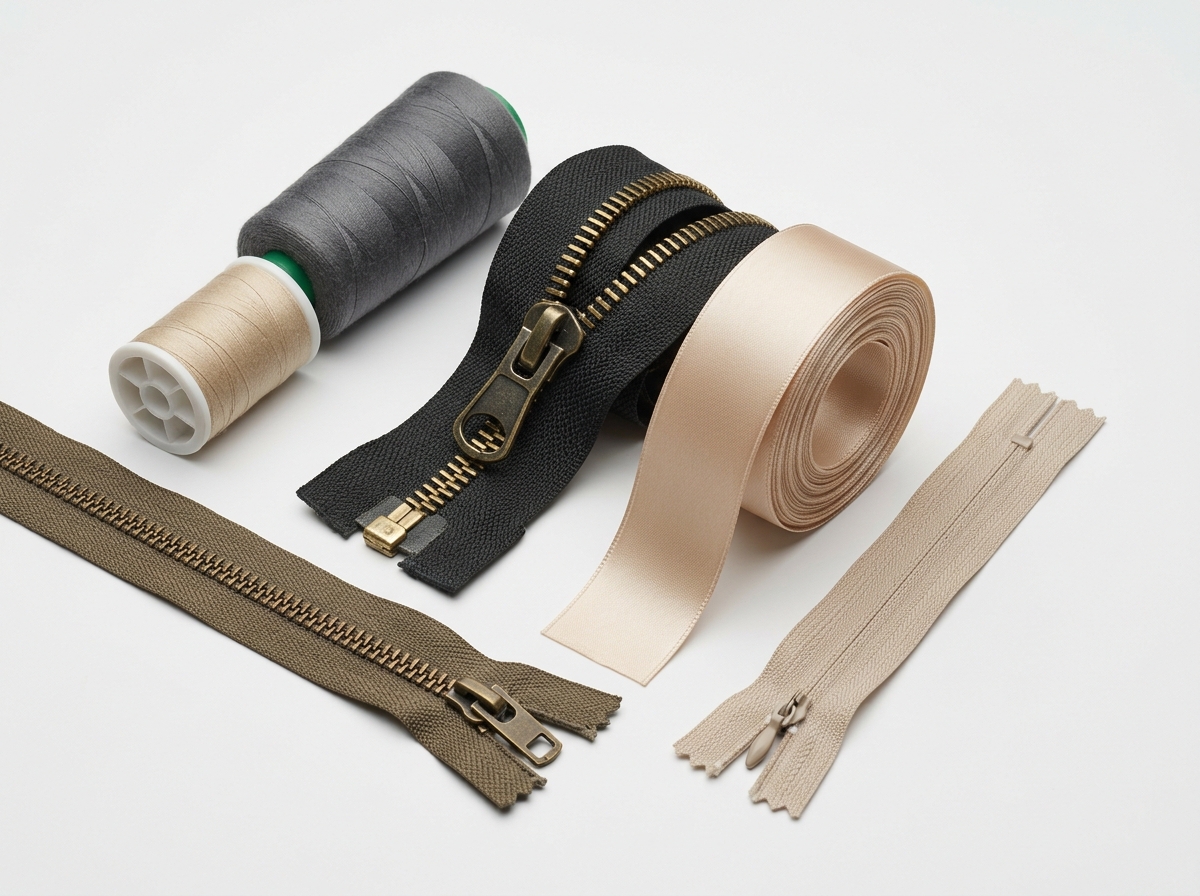 Wholesale Procurement Checklist for Heavy-Duty Metal Zipper Buyers
A clear procurement checklist reduces risk when buying workwear zippers in bulk.
Wholesale sourcing is not only about choosing the correct zipper; it is also about managing consistency. Industrial workwear programs often require repeat ordering, so lot-to-lot color stability, accurate length control, and dependable packing are as important as the zipper itself. If a supplier cannot maintain these basics, production delays become more likely.
- Confirm zipper size, length, and top/bottom stop configuration.
- Request material and finish details for the teeth, slider, and tape.
- Ask for sample approval before bulk production.
- Verify MOQ, packing method, and label requirements.
- Check lead time, especially for custom color or special finishes.
- Test the zipper on the actual jacket pattern, not only on fabric swatches.
For category-level sourcing, buyers can compare related options in the zipper range, then pair them with matching sewing thread and other sewing accessories used in jacket assembly. If the purchase includes multiple product types, the broader product catalog can help consolidate sourcing under one wholesale program.
From an operational standpoint, the most efficient buying process is sample first, then pilot order, then production roll-out. That approach usually catches issues such as color mismatch, zipper waviness, or slider stiffness before they become expensive field complaints.
Metal Zipper vs Nylon Zipper for Workwear Jackets
Metal zippers and nylon zippers serve different priorities, and workwear usually favors durability over softness.
A metal zipper is often preferred for industrial jackets because it gives a firmer hand feel and better mechanical presence. Nylon zippers are lighter, quieter, and often easier to sew into soft garments, but they may not deliver the same visual ruggedness that many workwear programs want. For jackets intended for trade workers, outdoor crews, or heavy utility use, the metal zipper can communicate strength while also handling repeated stress.
| Feature | Metal Zipper | Nylon Zipper | Best Use Case |
|---|---|---|---|
| Durability feel | High | Medium | Workwear and utility jackets |
| Weight | Higher | Lower | Light outerwear |
| Glide noise | Noticeable | Quieter | Fashion or comfort-focused garments |
| Visual identity | Rugged | Softer | Industrial or premium utility styling |
That said, a metal zipper is not automatically the best choice for every workwear program. If the jacket is meant for all-day comfort in mild conditions, a lighter closure may be preferable. The decision should follow use case, not assumption.
Common Failure Modes and How Buyers Can Avoid Them
Most zipper failures in workwear jackets come from poor matching, not from one single defect.
Common issues include tooth misalignment, tape waviness, slider jamming, and seam distortion around the placket. Another frequent problem is selecting a zipper that is too stiff for the fabric, which causes the jacket front to buckle. In bulk production, these problems often appear after the first wash or after repeated bending at the chest and waist.
- Do not approve a zipper based only on a cut-length sample.
- Do not ignore the interaction between zipper stiffness and fabric weight.
- Do not skip wash testing if the jacket is intended for repeated laundering.
- Do not finalize color approval without checking batch consistency under natural light.
Buyers who want fewer returns should treat the zipper as part of the garment system. Pattern shape, stitching, lining thickness, and hardware all interact. A reliable supplier will usually ask about the final garment application before recommending a specific zipper specification, because the same closure can behave differently across different jacket constructions.
How to Build a Reliable Workwear Zipper Specification Sheet
A good specification sheet makes sourcing faster and reduces misunderstandings.
For wholesale industrial workwear programs, the zipper spec should include length, size designation, tape color, tooth finish, slider type, stop type, packing requirements, and acceptable tolerance range. It should also state the intended garment type, such as mechanic jacket, field jacket, or insulated workwear coat. That context helps the supplier recommend the correct hardware.
| Spec Field | What to Include | Why It Helps |
|---|---|---|
| Length | Exact finished measurement | Prevents cut-and-sew errors |
| Size | Number designation and profile | Ensures proper load capacity |
| Finish | Matte, polished, antique, coated | Aligns appearance and performance |
| Packaging | Bulk, polybag, labeled carton | Supports warehouse workflow |
| MOQ | Minimum order quantity | Supports purchasing planning |
When the specification is clear, communication improves and sample approval becomes faster. That matters in export supply chains where production windows are tight and multiple trim items must arrive together.
FAQ
What size metal zipper is best for an industrial workwear jacket?
The best size depends on fabric weight and expected stress, but heavier jackets usually need a larger profile than light casual wear. The jacket pattern and placket construction should guide the choice.
Is a metal zipper better than a nylon zipper for workwear?
Often yes, because metal zippers are usually preferred for rugged appearance and stronger mechanical feel. However, the final choice should also consider comfort, garment weight, and laundering conditions.
How do I test a workwear zipper before bulk ordering?
Use a full garment sample, not only a swatch. Check glide, seam behavior, opening force, wash response, and repeated use performance before approval.
What should I ask a wholesale zipper supplier?
Ask about MOQ, sample lead time, color matching, packing method, finish options, and whether the supplier can support repeat batch consistency.
Why does my jacket zipper buckle after sewing?
Buckling usually happens when zipper stiffness does not match the fabric weight or when the sewing tension is too high. Pattern balance and tape stability also matter.
Are there standards that help evaluate zipper-related performance?
Textile strength and abrasion methods such as ISO 13934-1 and ASTM D3884 are useful references for assessing the fabric system around the zipper.
What is the most important factor for industrial workwear zipper sourcing?
The most important factor is fit for end use. A zipper must match the jacket fabric, work environment, and laundering cycle if it is to perform well in real conditions.

Post time: Jul-09-2026