- Waxed polyester thread combines polyester strength with a wax coating that improves stitch control and seam durability.
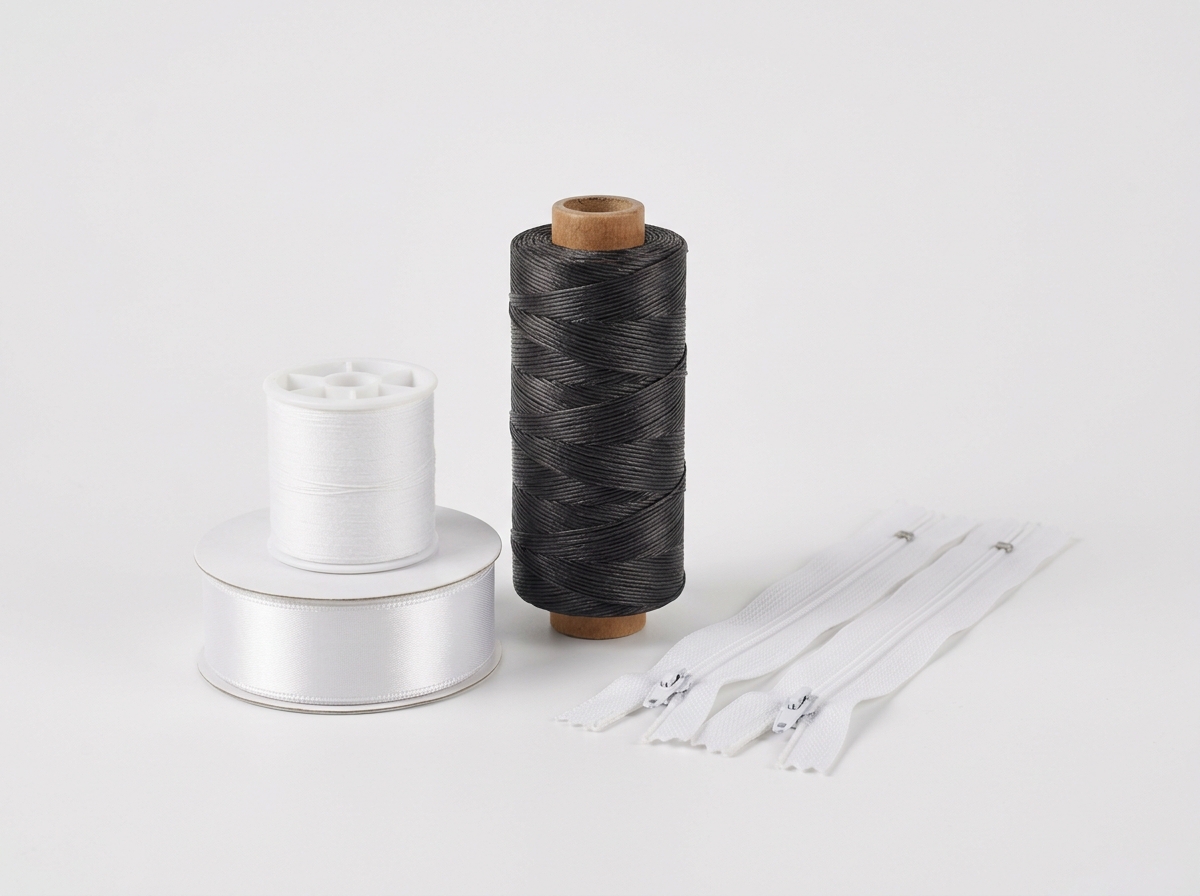
- It is widely used for leather sewing, hand stitching, bag repair, saddlery, and rugged decorative seams.
- For wholesale buyers, the best choice depends on thread size, wax finish, color range, MOQ, and whether the end user needs hand sewing or machine compatibility.
- In leatherwork, thread choice affects seam appearance, abrasion resistance, and how easily stitches can be tightened without damaging the material.
- Reliable sourcing should consider material data, packaging consistency, and the buyer’s target use case, such as DIY, workshop, or retail bundles.
Waxed polyester thread is a practical leather sewing thread because it addresses two common problems at once: thread drag through dense materials and long-term seam wear. For context, industrial textile testing often measures thread strength using ASTM D2256/D2256M, while leather material performance is commonly referenced through standards such as ISO 4045 for leather pH and ISO 3376 for tensile strength. In real purchasing terms, a good waxed thread should balance grip and flow, because too little wax causes fuzzing while too much wax can leave residue on tools and seams. Buyers sourcing wholesale sewing accessories, bulk sewing thread, or DIY sewing supplies usually prioritize stable color lots, clean winding, and packaging that supports workshop use.
What Waxed Polyester Thread Is and How It Differs from Regular Sewing Thread
Waxed polyester thread is a polyester filament or spun thread finished with a wax coating to improve handling and stitch stability.
Polyester provides the core tensile performance, while the wax layer adds surface friction that helps the thread “bite” into leather stitches and stay in place during hand sewing. This is why waxed thread is common in saddle stitching, wallet construction, belt repair, and bag edge finishing. Compared with standard polyester sewing thread, it typically feels firmer, feeds with more control, and is less likely to fuzz when pulled repeatedly through dense holes.
For leather artisans, that surface behavior matters more than it does in light garment sewing. Leather holes do not close like woven fabric, so the seam remains visible and mechanically loaded. A controlled thread path reduces loose stitch slack, improves seam appearance, and helps the final seam hold even under abrasion. If the buyer needs broader sourcing options, the product family often sits alongside polyester sewing thread, sewing accessories, and DIY tools in a wholesale catalog.
| Thread type | Surface finish | Main advantage | Typical use case |
|---|---|---|---|
| Waxed polyester thread | Wax-coated | Better stitch control and abrasion resistance | Leather hand sewing, saddlery, repair |
| Regular polyester thread | Uncoated or lightly finished | Cleaner machine feeding | Garments, general sewing, light repairs |
| Waxed cotton thread | Wax-coated natural fiber | Traditional look and softer hand feel | Heritage leatherwork, decorative seams |
Why Waxed Thread Is Preferred for Leather Sewing
Waxed polyester thread is preferred for leather sewing because it improves stitch control in materials that are thick, stiff, and highly visible.
Leather sewing is often judged by seam straightness, tension consistency, and the way the thread sits in the hole. Wax helps the thread resist slipping back after tightening, which is especially important in saddle stitching where each stitch is formed manually. That same wax layer also helps protect the thread from friction as it passes through punched leather holes and edge channels.
Polyester itself is a strong choice for leather goods because it resists moisture better than cotton and retains performance in everyday use. In practical sourcing terms, this makes waxed polyester thread attractive for belts, bags, wallets, footwear details, and repair kits. It is also a better wholesale option than many niche threads because it is versatile enough for both professional workshops and consumer craft packaging.
Another reason buyers prefer it is seam predictability. When a leather seam is opened or repaired, the thread should not fray excessively or collapse under repeated pulling. A waxed finish helps the seam remain tidy, which is valuable in visible products where the stitching line is part of the design. For brands building assortments around leather sewing supplies and hand stitching tools, this is a strong product story because the benefit is easy to explain to both wholesale buyers and end users.
Material Performance: What the Numbers Mean in Real Use
Thread selection becomes more reliable when you compare measurable properties instead of relying on appearance alone.
Textile thread strength is commonly tested under methods such as ASTM D2256/D2256M, which is used to determine breaking force and elongation for yarns and threads. That matters because leather sewing often exposes the thread to repeated tension from hand tightening and abrasion inside the hole. On the material side, leather quality is frequently assessed through standards such as ISO 3376 for tensile strength and elongation and ISO 4045 for pH, both of which help buyers understand whether the leather substrate will behave consistently during sewing and wear.
For buyers who need a practical comparison, the most important variables are thread diameter, breaking strength, wax level, and knot security. Waxed polyester thread sizes used in leatherwork commonly range from fine decorative lines to thicker saddlery grades. The exact performance depends on construction and denier, but the sourcing decision should always ask: will the thread pass smoothly through the chosen needle and hole size, and will it remain secure after loading?
| Selection factor | What to check | Why it matters | Buyer impact |
|---|---|---|---|
| Thread diameter | Fine, medium, heavy | Must match hole size and seam style | Appearance and stitch stability |
| Wax finish | Light, medium, heavy | Affects friction and residue | Ease of hand sewing |
| Breaking force | Tested per ASTM D2256/D2256M | Shows load resistance | Durability in leather goods |
| Leather quality | Tested per ISO 3376 and ISO 4045 | Influences seam consistency | Fewer sewing surprises |
Best Leather Sewing Applications for Waxed Polyester Thread
Waxed polyester thread performs best in visible, high-friction, and hand-stitched leather applications.
The thread is especially effective in saddle stitching, where two needles cross in each hole and the seam must hold without relying on machine lock formation. It is also a strong fit for bag handles, wallet edges, belt construction, watch straps, and footwear repair, because these products are exposed to repeated flexing and contact. In workshop environments, waxed thread is often chosen when the seam must look neat even after heavy use.
For wholesale buyers, it also serves as a practical SKU for leather repair kits and DIY craft bundles. Consumers may not know the thread technical name, but they understand the outcome: easier stitching, less fraying, and a cleaner seam line. That makes it a useful catalog product for ecommerce, craft stores, and export packages targeting hobbyists or small leather workshops.
In procurement terms, the strongest demand usually comes from three use scenarios: repair-oriented buyers who need ready-to-use spools, workshop users who want stable bulk supply, and retail sellers who need display-friendly packaging. These use cases often sit next to broader categories such as sewing thread wholesale and craft sewing supplies.
- Match thread thickness to the punch size and leather thickness.
- Choose a wax level that supports manual tightening without leaving excessive residue.
- Confirm color consistency across lots if the seam is visible on finished goods.
- Request samples before large orders, especially for premium leather items.
Waxed Polyester Thread vs Cotton, Nylon, and Untreated Polyester
The best leather sewing thread depends on the balance between handling, durability, and finish.
Waxed polyester thread is often the most versatile option because it combines strength with moisture resistance and stable hand-sewing behavior. Waxed cotton thread can look more traditional, but it may be less resistant to environmental exposure over time. Nylon thread can be strong and elastic, yet some users find it less predictable in hand stitching and more prone to stretch under load. Untreated polyester is useful in some machine applications, but for leather handwork it usually lacks the surface friction that makes stitches easier to set.
The comparison below is useful for buyers who need a straightforward sourcing decision.
| Thread type | Hand-stitch comfort | Moisture resistance | Visible seam quality | Wholesale versatility |
|---|---|---|---|---|
| Waxed polyester | High | High | High | High |
| Waxed cotton | Medium | Medium | High | Medium |
| Nylon | Medium | High | Medium | Medium |
| Untreated polyester | Low for hand sewing | High | Medium | High for machine use |
For procurement teams, the decision often comes down to end use. If the product is a belt, wallet, bag, or repair kit, waxed polyester thread is usually the safest default. If the product is a machine-stitched garment accessory, untreated polyester or a different sewing thread structure may be more appropriate. This is why catalog architecture matters: a good supplier groups thread options with leather sewing thread, bulk sewing accessories, and adjacent DIY items rather than forcing buyers into a single product path.
How to Choose the Right Waxed Thread for Wholesale Buying
Wholesale buyers should evaluate waxed polyester thread by end-user behavior, not only by color and price.
The most common mistake is choosing thread based only on spool appearance. In leather sewing, a technically acceptable thread can still perform poorly if the wax level is wrong for the punching style or if the diameter does not match the needle and awl setup. The right choice should reflect whether the buyer serves leathercraft beginners, repair shops, or industrial hobbyists.
A simple sourcing checklist can reduce returns and mismatch complaints.
- Confirm the target application: wallet, belt, bag, shoe repair, or decorative seam.
- Specify the thread size and spool length in the RFQ.
- Ask for color swatches under standard lighting if visible seams matter.
- Verify packaging type: single spool, retail card, or workshop bulk pack.
- Request sample stitching on the intended leather thickness.
Where wholesale matters most is consistency. Buyers often ask about MOQ, sample availability, labeling, and delivery timing because these affect inventory planning more than the thread’s basic chemistry. If the line is destined for export or multi-SKU bundling, stable winding tension and clean labeling are almost as important as mechanical performance. That is why suppliers with broader catalogs, including sewing accessories wholesale and DIY craft supplies, can simplify buying across multiple product groups.
Common Mistakes When Using Waxed Polyester Thread
Most leather sewing problems come from setup errors, not from the thread itself.
One frequent issue is using a thread that is too thick for the hole size. This increases drag, makes the seam look uneven, and can damage the leather edge. Another common mistake is selecting a wax level that is too heavy for the intended application, which can leave residue on fingers, tools, or finished leather. Buyers also sometimes forget that natural leather thickness varies, so the same thread may feel excellent on a 2 mm wallet panel but awkward on a 5 mm belt blank.
To avoid these issues, source thread with clear specification data and test it on the exact material stack. This is particularly important for B2B buyers creating private-label repair kits or mixed craft sets. A thread that stitches well in one leather type may behave differently in another, especially when the leather has a firm finish, high surface friction, or uneven punch geometry.
Practical Buying Guide for Leather Sewing Thread
The best waxed thread is the one that aligns with the seam structure, not the one with the loudest product claim.
For a buyer building a leather thread assortment, the safest strategy is to cover three levels: fine thread for wallets and small accessories, medium thread for bags and general craft, and heavy thread for belts and repair work. This approach keeps inventory simple while covering most customer use cases. It also makes merchandising easier for wholesale and retail channels because the selection logic is easy to explain.
The procurement flow is straightforward.
- Define the leather product category and seam visibility.
- Choose the thread size based on hole size and stitch spacing.
- Select wax level for hand sewing feel and seam finish.
- Confirm color fastness expectations and lot consistency.
- Request samples and test on actual leather before bulk purchase.
For product teams, this thread category can be positioned beside saddlery supplies, sewing kits, and hand sewing tools to support larger basket size and clearer cross-sell paths.
FAQ About Waxed Polyester Thread and Leather Sewing
Is waxed polyester thread better than regular thread for leather?
Yes, for most hand-stitched leather applications, waxed polyester thread is better because it improves stitch control, reduces fraying, and helps the seam set more cleanly.
Can waxed polyester thread be used on a sewing machine?
Sometimes, but it is primarily favored for hand stitching. Machine compatibility depends on thread diameter, needle choice, tension settings, and whether the wax finish affects feeding.
What leather products use waxed thread most often?
Wallets, belts, bags, saddlery, straps, and repair projects commonly use waxed thread because they need durable and visible seams.
Does waxed thread leave residue on leather?
It can if the wax level is too high for the application, so buyers should test samples before large orders and confirm finish behavior on the intended leather surface.
How do I choose the right thickness for leather sewing thread?
Match the thread size to leather thickness, hole size, and stitch spacing. Fine thread suits smaller goods, while heavier thread works better on belts and structural seams.
Is polyester better than cotton for leather thread?
Polyester is often preferred for durability and moisture resistance, while cotton may be chosen for a softer traditional look in heritage-style leatherwork.
What should wholesale buyers ask for before placing an order?
They should ask for thread size, wax level, color chart, MOQ, sample policy, packaging options, and production lead time to reduce sourcing risk.
In short, waxed polyester thread is preferred for leather sewing because it delivers a rare combination of strength, grip, and practical hand-stitch control. For buyers, the value is not only in the material but in how reliably it performs across real leatherworking tasks, from repair kits to premium visible seams. When sourced with clear specifications and tested on the actual substrate, it becomes one of the most dependable choices in the leather sewing thread category.

Post time: Jul-23-2026