- A waterproof jacket zipper reduces leakage risk at the front closure, pocket, or side vent, where standard zippers often fail first.
- Performance depends on the full assembly: zipper type, coating, seam tape, fabric, and garment design all affect real-world water resistance.
- For outdoor clothing buyers, the right outdoor clothing zipper should be chosen by use case, such as rainwear, hiking shells, ski jackets, or work uniforms.
- Quantitative verification matters: standards such as ISO 4920 and ASTM E2298 help validate splash and penetration resistance instead of relying on visual inspection only.
- Wholesale sourcing decisions should also consider MOQ, color matching, puller style, lead time, and whether the zipper is suitable for sewing or bonding workflows.
A waterproof jacket zipper is one of the most important components in performance outerwear because it protects the exact opening where water pressure, wind-driven rain, and repeated movement converge, and even a well-made shell can underperform if the closure leaks; standardized evaluation such as ISO 4920:2012 and NIST-aligned test discipline show why measurable validation matters, not just visual inspection. For wholesale buyers and sourcing teams, the real decision is not whether a zipper looks waterproof, but whether the zipper system matches the garment’s use case, production process, and target performance in rain, hiking, or cold-weather layering.
Why a Waterproof Jacket Zipper Matters in Outdoor Clothing Performance
The front closure is often the first place a garment loses weather protection.
That is because zippers create a linear gap, and any imperfect sealing around the chain, teeth, or stitching can become a path for water, wind, or splash intrusion. In outdoor clothing, the zipper area also experiences repeated flexing, so a closure that looks acceptable in a showroom may fail after field use.
For designers, the outdoor clothing zipper is not a cosmetic detail. It is a functional barrier that influences wearer comfort, insulation retention, and dryness. In rain jackets, that barrier can decide whether a garment feels breathable and wearable or heavy and damp after one storm cycle.
For procurement teams, this is why zipper selection belongs in the same conversation as fabric hydrostatic head, seam sealing, and pattern design. A premium shell fabric cannot compensate for a weak closure system.
| Closure area | Common failure mode | Typical consequence | Mitigation approach |
|---|---|---|---|
| Front zipper | Water seepage through chain or tape | Chest dampness, loss of comfort | Waterproof zipper, storm flap, seam sealing |
| Pocket zipper | Splash penetration during rain | Wet hands or electronics | Coated waterproof zipper, angled pocket opening |
| Underarm vent | Repeated flex fatigue | Reduced service life | Reinforced tape and lower-friction slider |
| Side seam | Stress at curved seams | Leaking at high movement zones | Shorter zipper length, better stitch control |
How a Waterproof Zipper Works in Rainwear and Shell Jackets
A waterproof zipper works by limiting the pathways water can use to enter the garment.
Most designs use a coated or laminated tape surface, tighter interlocking elements, and a closure geometry that reduces capillary action. In many outdoor garments, the zipper is paired with a storm flap or bonded seam to lower exposure further.
The best results come from treating the zipper as a system component rather than a standalone part. If the fabric stretches, the seam is poorly aligned, or the slider tension is inconsistent, water resistance will drop even if the zipper itself is rated as waterproof.
This is especially important for high-movement products such as ski jackets, hiking shells, cycling rainwear, and workwear. In those products, the zipper must balance sealing, flexibility, and ease of use with gloves or cold hands.
| Waterproof zipper type | Typical use case | Strength | Trade-off |
|---|---|---|---|
| Coated coil zipper | Light rain jackets, fashion shell layers | Flexible, lighter weight | Moderate sealing versus harsh exposure |
| Laminated waterproof zipper | Technical outerwear, ski apparel | Higher water resistance | Higher cost and tighter sewing control |
| Reverse coil with coating | Urban rainwear, softshell garments | Good balance of appearance and function | Less rugged than heavy-duty molded systems |
| Protected zipper with flap | Workwear, hiking shells | Extra barrier against splash | Bulkier silhouette |
Waterproof Jacket Zipper Standards, Testing, and Quantitative Checks
Performance claims should be supported by test methods, not marketing language.
For apparel buyers, the most useful approach is to combine closure testing with fabric and seam evaluation. ISO 4920:2012 assesses fabric resistance to surface wetting by spray, while ASTM E2298 covers standard test methods for water penetration of protective clothing. Those methods do not make a zipper waterproof by themselves, but they establish a measurable framework for comparison.
In outerwear development, many brands also use internal pass-fail criteria for spray, splash, or simulated rain exposure. The key is consistency: the same zipper should be tested on the final garment construction, not only on a loose component.
For technical sourcing, the most relevant numbers are often not only the test scores, but also the physical specifications of the zipper: chain width, tape width, slider force, and opening cycles. Those values determine whether the closure is suitable for a slim fashion jacket or a rugged alpine shell.
| Specification | Typical value range | Why it matters |
|---|---|---|
| Water resistance validation | ISO 4920 spray rating scale | Indicates surface wetting performance |
| Protective clothing water penetration | ASTM E2298 test method | Measures leak behavior under controlled conditions |
| Outdoor zipper cycle testing | Commonly 5,000 to 10,000 cycles in product development | Shows durability under repeated use |
| Closure force consistency | Set by supplier spec and garment design | Affects glove-friendly operation and wear comfort |
For buyers, the practical takeaway is simple: ask for test data on the final sewn garment, not just the raw zipper roll. That request alone often separates serious suppliers from generic commodity sources.
Waterproof Zipper vs Standard Outdoor Clothing Zipper
The difference between a waterproof zipper and a standard outdoor clothing zipper is mainly sealing behavior, not just appearance.
A standard zipper may work well for ventilation, styling, or light-duty use, but it usually leaves more open pathways for water and wind. A waterproof zipper adds surface treatment, tighter closure design, or protective architecture to reduce that risk.
In product development, choosing the wrong zipper type can create a mismatch between fabric performance and closure performance. That mismatch often shows up in consumer reviews as “everything leaks near the zipper,” even when the garment fabric itself is strong.
From a procurement standpoint, the decision should be based on the garment category and expected exposure level, not on unit cost alone.
| Feature | Standard zipper | Waterproof zipper |
|---|---|---|
| Water resistance | Low to moderate | Moderate to high, depending on construction |
| Weight | Usually lighter | Often slightly heavier due to coating or layers |
| Sewing complexity | Lower | Higher, especially with seam sealing |
| Best use case | Casual outerwear, pockets, fashion garments | Rainwear, ski jackets, hiking shells, workwear |
| Cost impact | Lower | Higher, but often justified by performance |
How Buyers Choose the Right Waterproof Jacket Zipper for Wholesale Orders
The right zipper choice starts with the garment’s use environment.
A wholesale buyer should first define whether the jacket will face drizzle, heavy rain, snow, or abrasion from backpacks and gear. That use context determines whether a simple coated zipper is enough or whether a more technical waterproof closure is required.
Then the buyer should check production constraints. Some zippers sew easily on standard lines, while others require more precise alignment, bonding support, or seam taping. The wrong choice can increase defect rates and slow assembly.
Finally, the buyer should verify commercial factors such as MOQ, color matching, puller style, packaging, and lead time. In B2B sourcing, those details matter as much as the technical specification because they affect inventory planning and brand consistency.
- Define exposure level: light rain, heavy rain, snow, or worksite splash.
- Match zipper construction to garment category and fabric weight.
- Request sewn-garment test samples, not only component samples.
- Confirm color, size, puller, and tape compatibility before mass production.
- Review MOQ, sample terms, packaging, and delivery schedule.
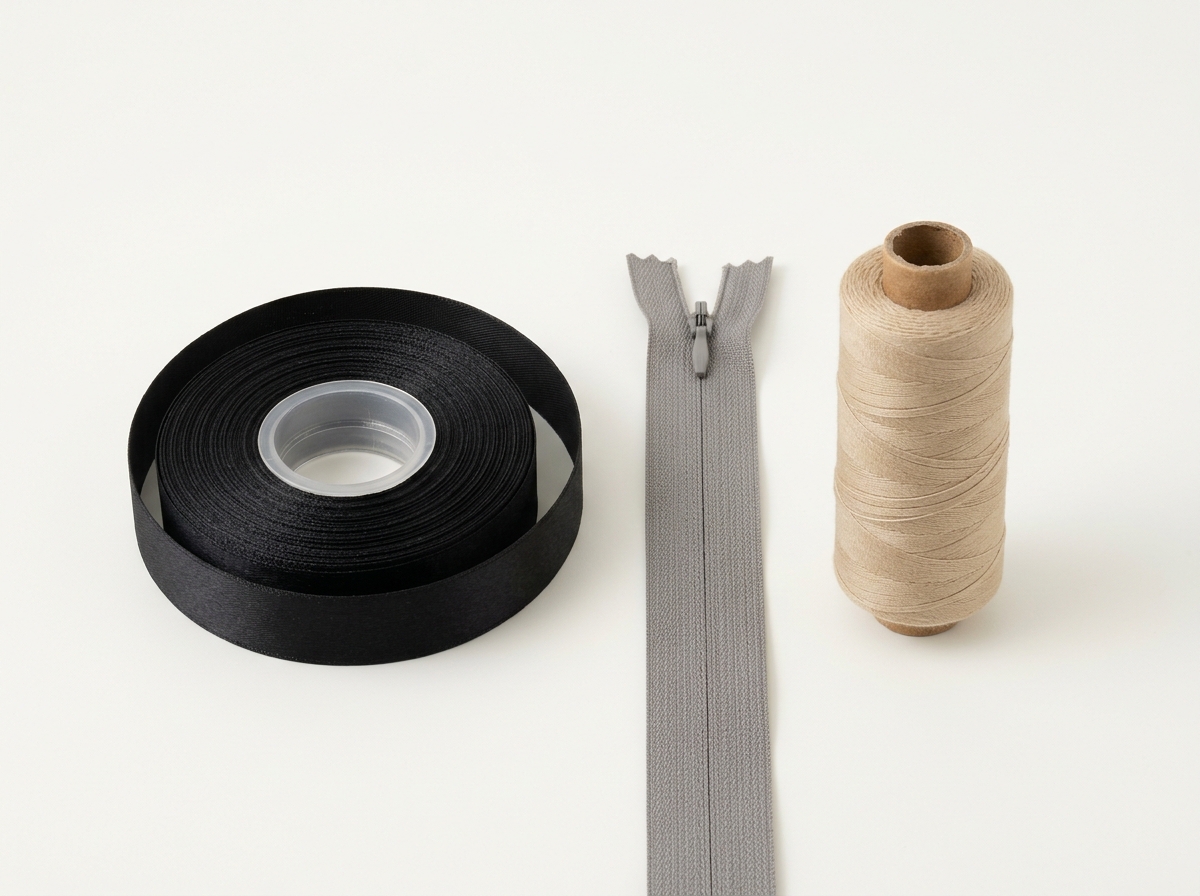
For buyers sourcing from a wholesale supplier, the best outcome is a zipper that fits the final garment line, not just the product catalog. If you are building a rainwear range, compare zipper options alongside zippers for apparel, sewing accessories, and sewing thread to keep material compatibility aligned across the bill of materials.
 Common Outdoor Use Cases Where Waterproof Jacket Zippers Add Real Value
Waterproof zippers deliver the most value in garments where users spend long periods exposed to weather.
In hiking shells, a zipper protects the torso area during pack wear and unpredictable rain. In ski jackets, it helps preserve warmth by limiting moisture entry around the chest and front opening. In workwear, it reduces discomfort during long shifts in wet conditions.
For fashion-forward rainwear, the zipper also supports a cleaner silhouette because designers can reduce reliance on bulky flaps while keeping a refined look. That is especially useful in urban commuter jackets, where consumers want both style and function.
In each case, the performance gain is practical: less dampness, better temperature retention, and a more dependable user experience.
Material, Construction, and Durability Factors That Affect Performance
Material selection is only one part of waterproof zipper performance.
Polyester tapes, coated films, slider metallurgy, and stitching density all influence durability. The tape must tolerate repeated folding, the slider must glide smoothly, and the seam must hold under movement and moisture cycles.
For technical apparel, the best zipper is usually the one that balances flexibility with sealing. A closure that is too stiff can feel uncomfortable or create puckering on lightweight shells. A closure that is too soft may not maintain consistent sealing under tension.
Durability also matters in a commercial sense. Fewer zipper returns mean lower repair costs, fewer customer complaints, and better brand trust in a category where one failure can damage the whole garment’s perceived quality.
| Factor | What to check | Why it affects durability |
|---|---|---|
| Tape material | Polyester or laminated construction | Impacts flexibility and moisture resistance |
| Slider smoothness | Opening force and friction consistency | Reduces snagging and user frustration |
| Stitch density | Uniform seam control | Prevents localized leakage and tear points |
| Coating integrity | No cracks or peeling after flexing | Maintains water resistance over time |
What Wholesale Buyers Should Ask Before Ordering Waterproof Jacket Zippers
Good sourcing decisions begin with the right questions.
Instead of asking only for a price list, buyers should ask for construction details, test evidence, and production constraints. That approach reduces the risk of mismatch between supplier sample and mass production.
- What zipper construction is used: coated coil, laminated, reverse coil, or protected flap design?
- What garment type was the zipper tested on: loose component or sewn jacket sample?
- What are the MOQ, available colors, and puller customization options?
- Can the supplier support repeat orders with stable shade matching and tape width consistency?
- What is the expected lead time for sampling and bulk production?
For importers and private-label brands, these details can be the difference between a reliable seasonal launch and a delayed line that misses retail windows. That is why technical purchasing and commercial planning should happen together.
Why the Best Waterproof Jacket Zipper Is a System Choice, Not a Single Part
The strongest conclusion is that zipper performance is determined by the full garment system.
A technically strong zipper can still leak if the seam is poorly taped, the fabric is not suited to the weather target, or the garment fit creates stress at the closure. Likewise, a well-designed jacket can underperform if the zipper selection is too light for the intended environment.
That is why outdoor brands, workwear suppliers, and private-label buyers should evaluate closure performance in the same workflow as fabric testing and garment fitting. When they do, the result is usually better field performance, fewer returns, and a more credible product story.
In wholesale sourcing, this also creates a simpler selling message: the jacket is not just stylish, but purpose-built for weather protection, comfort, and repeat use.
FAQ: Waterproof Jacket Zipper and Outdoor Clothing Zipper
1. What makes a waterproof jacket zipper different from a regular zipper?
A waterproof jacket zipper uses coated, laminated, or otherwise sealed construction to reduce water ingress, while a regular zipper usually focuses on basic opening and closing without the same level of sealing.
2. Are waterproof zippers fully waterproof in all conditions?
No. Water resistance depends on the zipper design, the garment construction, seam sealing, and the intensity and duration of exposure. A zipper should be tested in the final garment, not judged by appearance alone.
3. What standards help verify outdoor clothing zipper performance?
Useful references include ISO 4920:2012 for spray resistance and ASTM E2298 for water penetration test methodology in protective clothing.
4. Which jackets benefit most from a waterproof zipper?
Rain jackets, ski jackets, hiking shells, cycling shells, and workwear all benefit because these garments are exposed to wind-driven rain, splash, and repeated motion.
5. Is a waterproof zipper always better than a standard outdoor clothing zipper?
Not always. If the garment is casual or low-exposure, a standard zipper may be sufficient and more cost-effective. The correct choice depends on weather exposure, design goals, and price positioning.
6. What should wholesale buyers check before placing a bulk order?
Buyers should confirm zipper type, garment testing, color consistency, MOQ, sample approval, puller options, and production lead time before committing to bulk purchase.
7. Why do some jackets still leak near the zipper even when the fabric is water-resistant?
Because the zipper area is often the weakest point in the garment. If the closure, stitching, or seam sealing is not aligned with the fabric’s performance level, water can enter at the opening even when the main shell fabric performs well.

Post time: Jul-11-2026